 Image 1 of 4
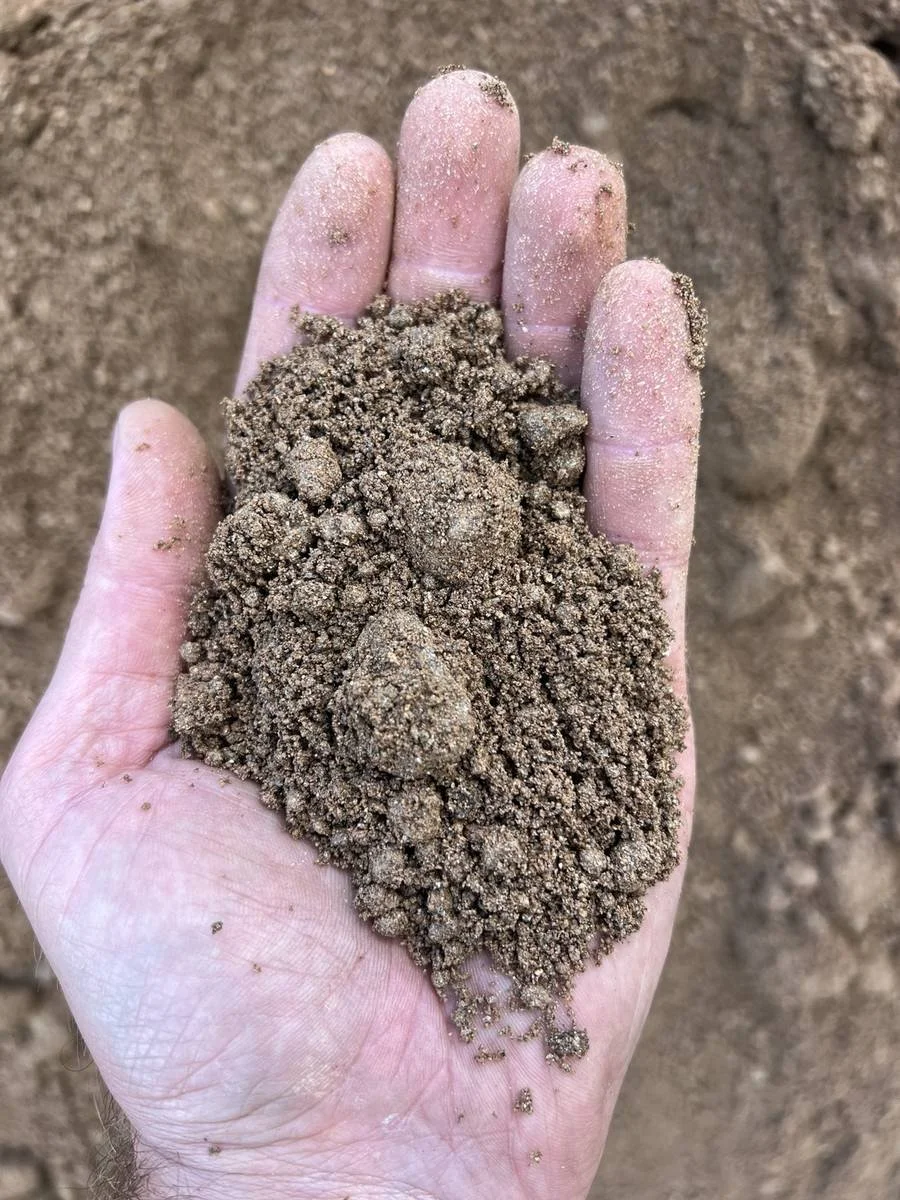 Image 2 of 4
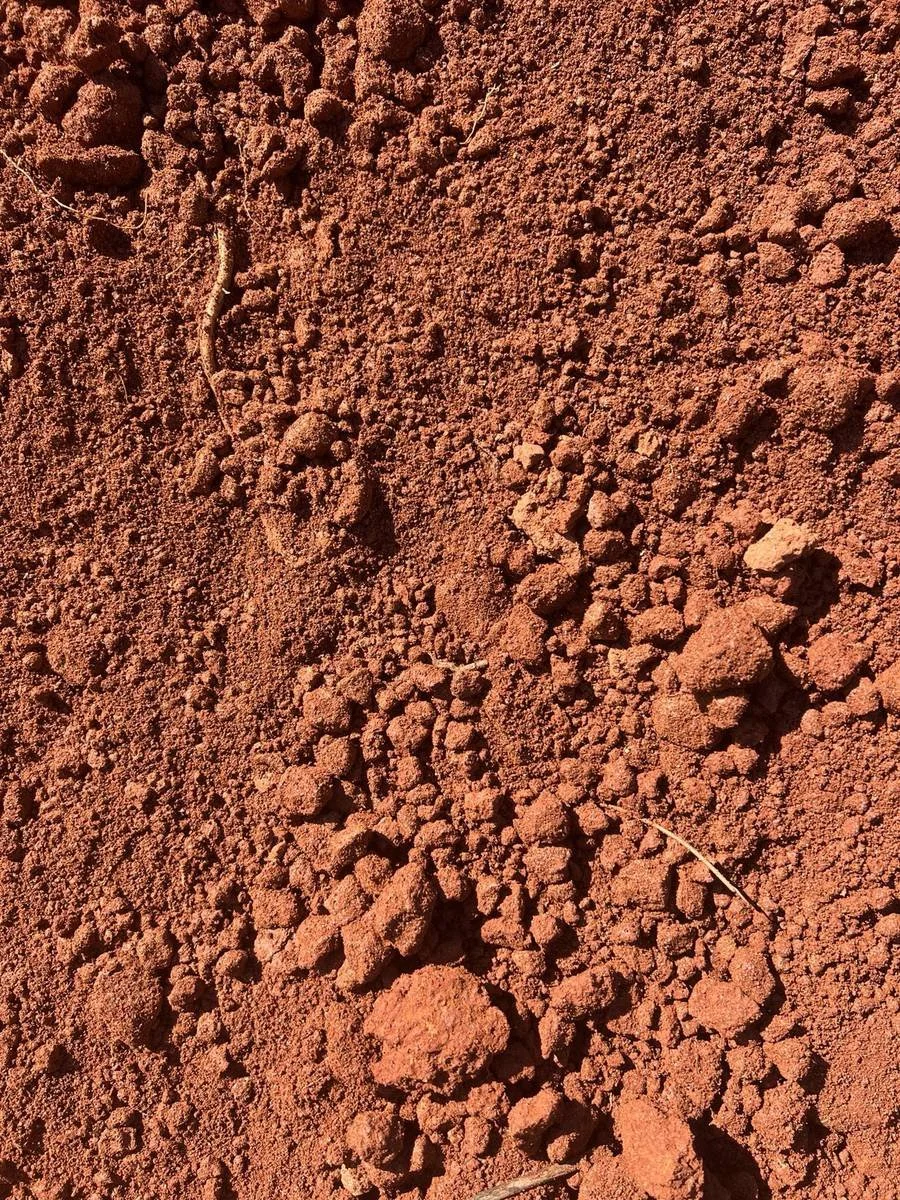 Image 3 of 4
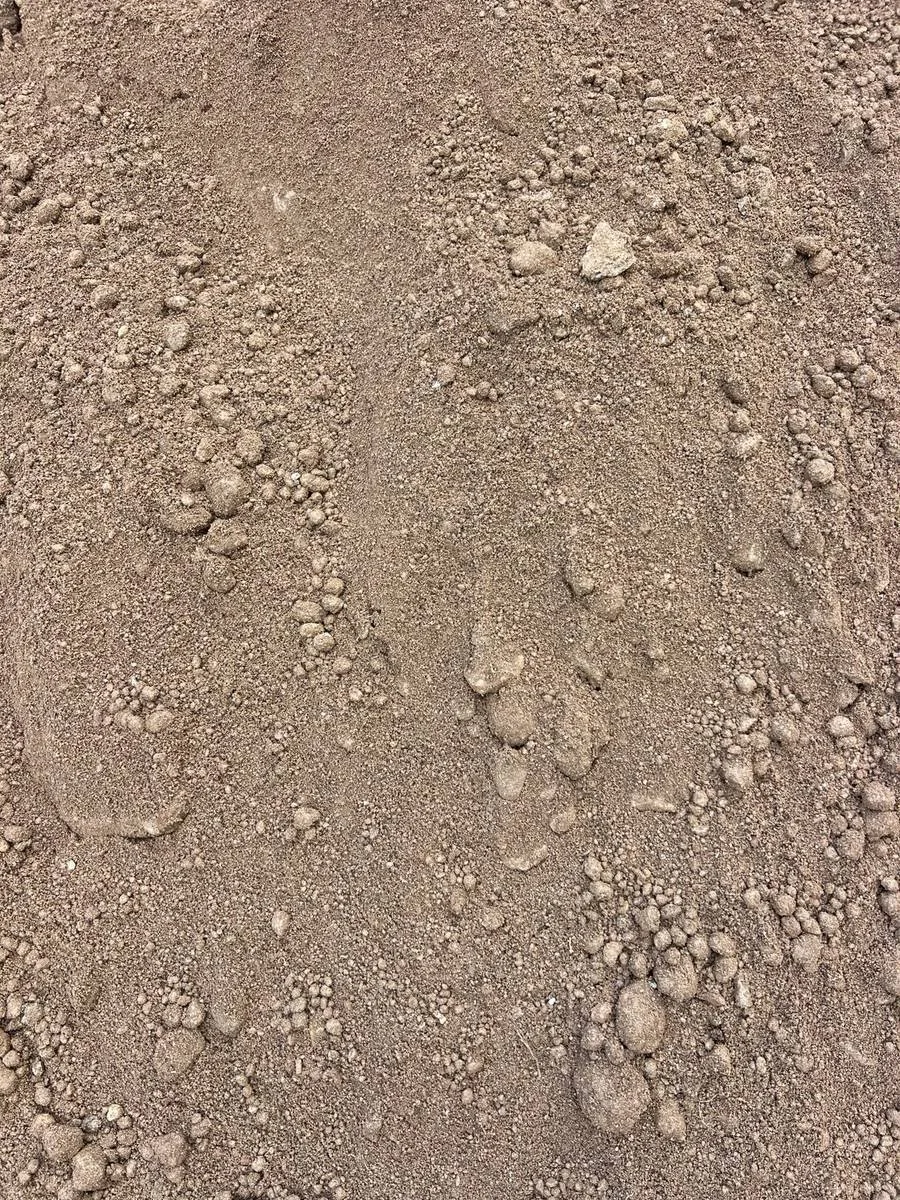 Image 4 of 4
Jump To
About | Common Uses | Coverage & Yield | FAQ | Disclaimer
How Much Fill Dirt Do I Need?
Calculator assumes Fill Dirt provides approximately 20 cubic feet per ton. Fill Dirt is a natural material, so coverage estimates are approximate and may vary based on moisture content, soil composition, placement depth, settlement, and compaction.
Sales tax varies by county and is added at checkout.
Truck delivery count is an estimate based on approximately 20 tons per delivery. Final load count may vary based on moisture content, truck capacity, legal weight limits, loading conditions, site access, and scheduling.
A full truckload is estimated at approximately 20 tons. At $22.50 per ton, a 20-ton load has a material subtotal of $450 before sales tax.
About Fill Dirt
Fill Dirt is a natural soil material commonly used for filling low areas, raising grades, backfilling excavations, repairing slopes, and completing general earthwork projects throughout Upstate South Carolina.
Unlike Sandy Loam Topsoil, Fill Dirt typically contains less organic material and is intended primarily for filling and grading rather than planting, gardening, or lawn establishment.
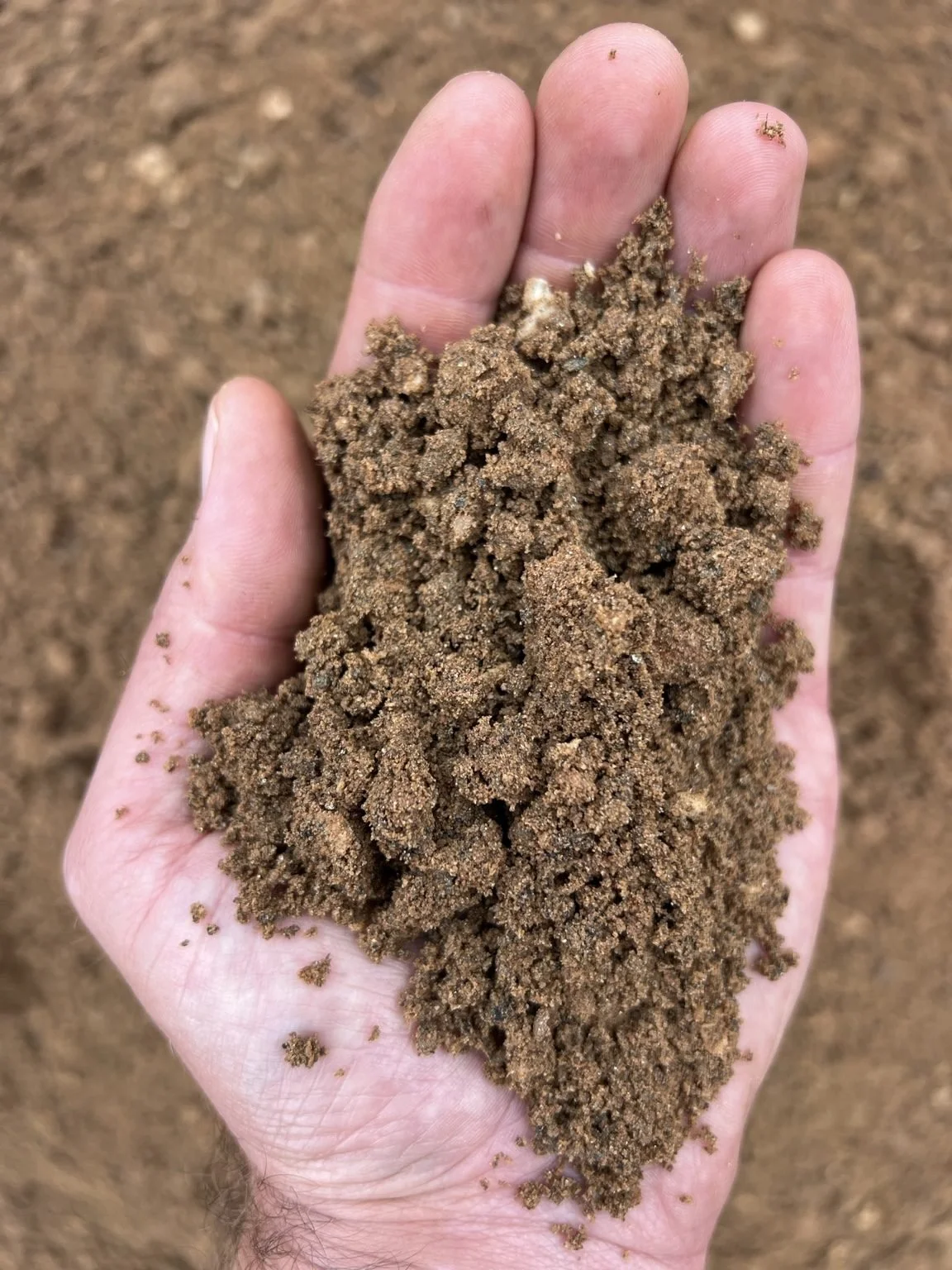
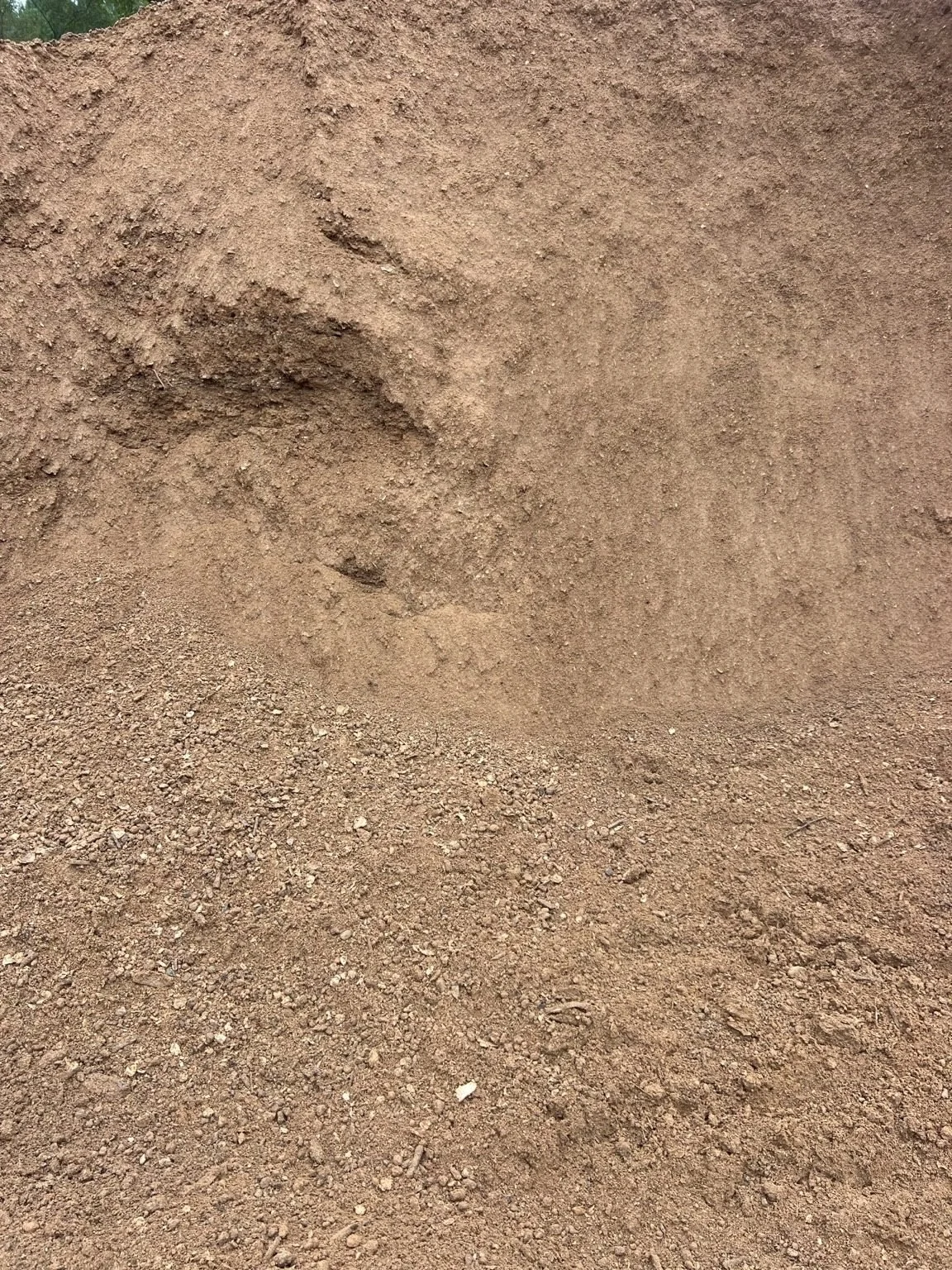
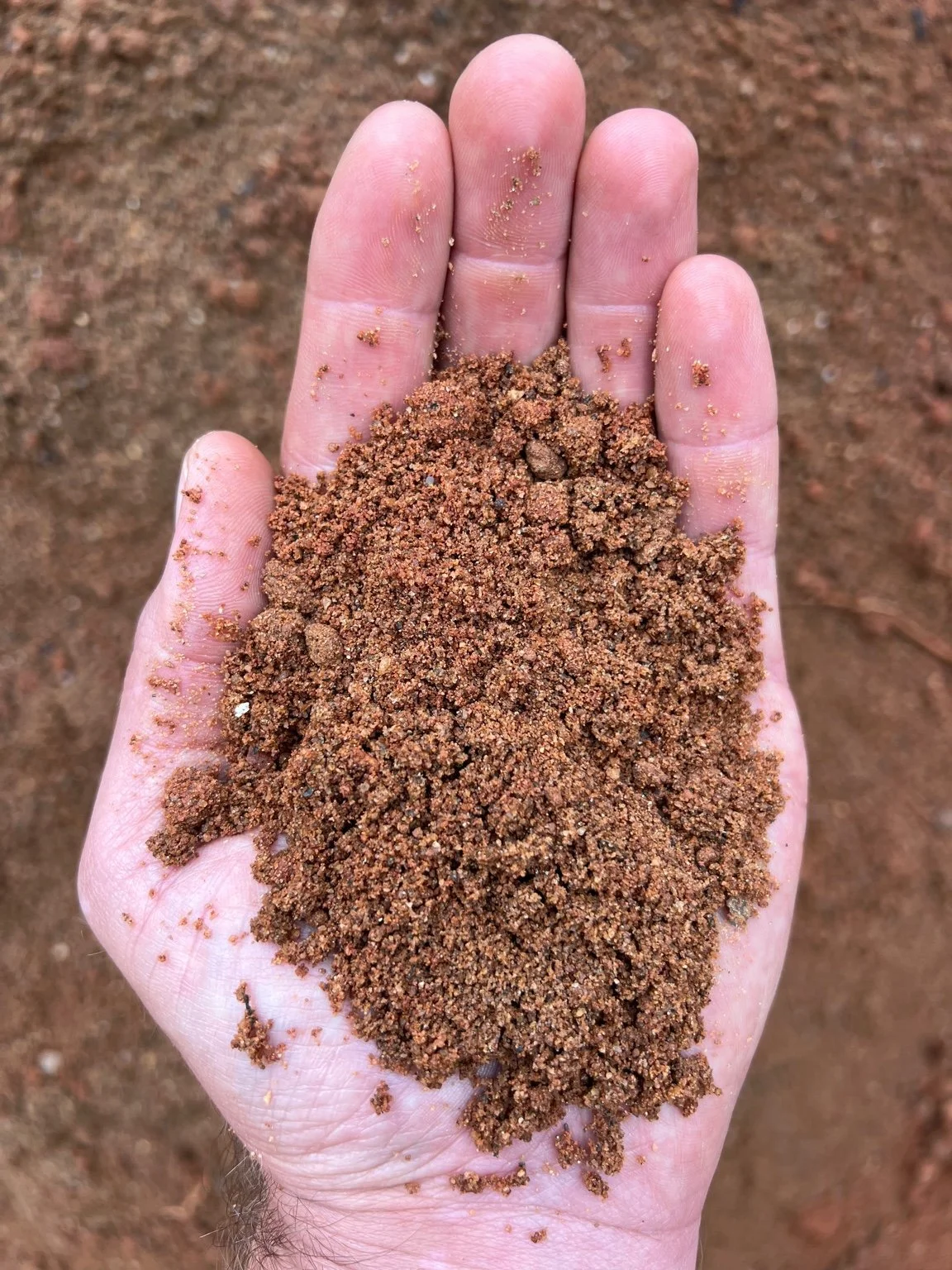
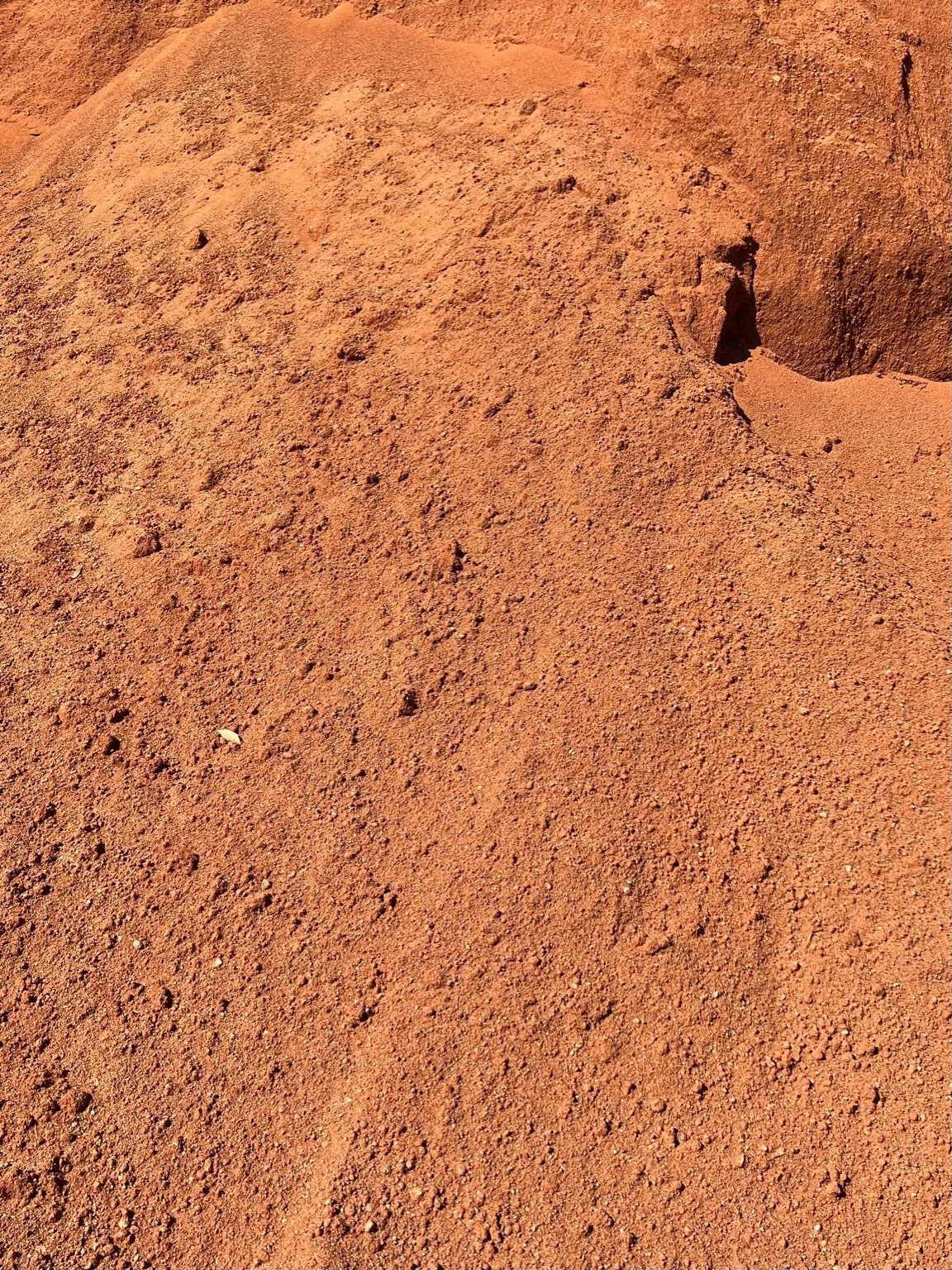
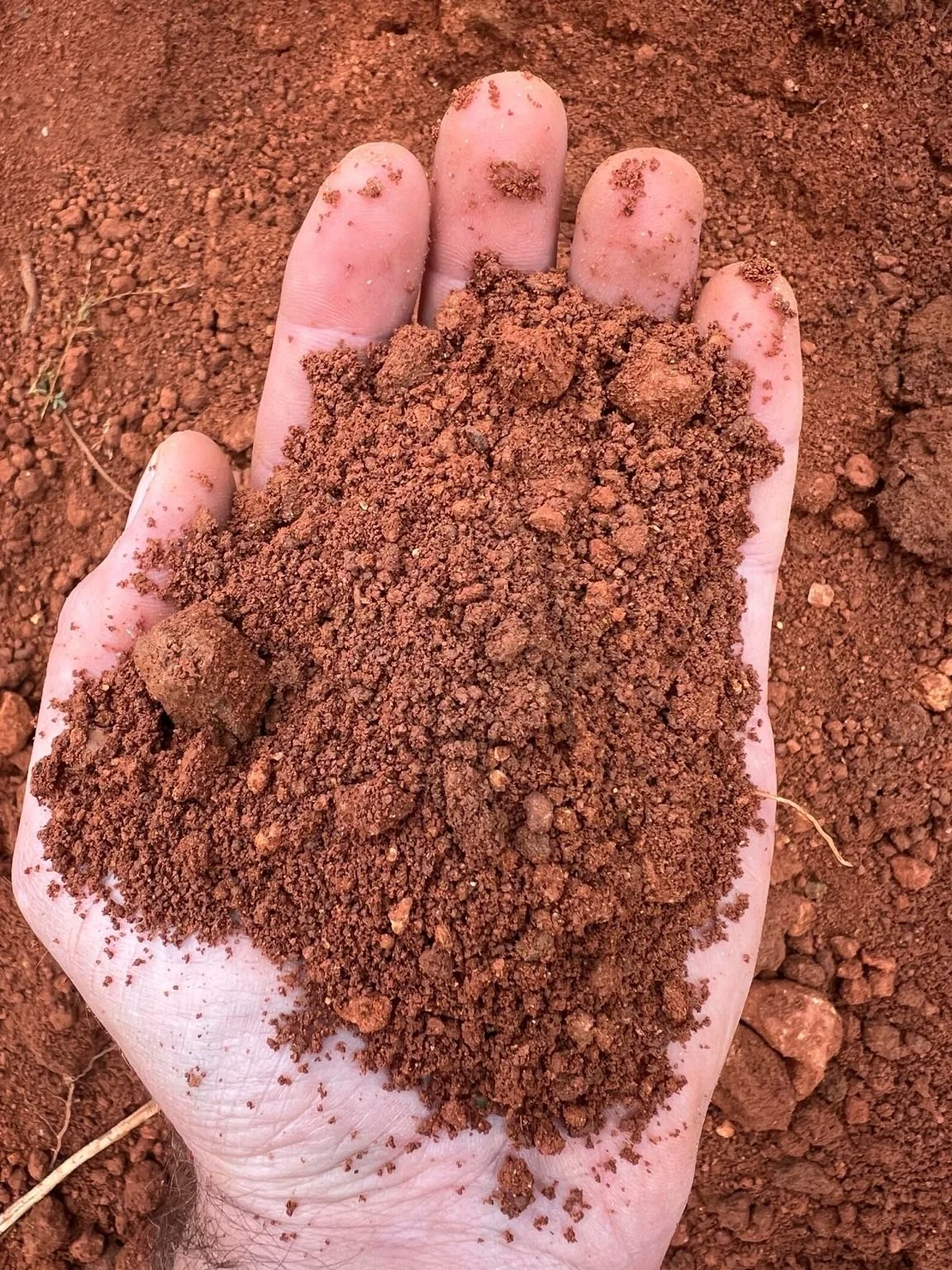
The material commonly consists of clay, subsoil, and other naturally occurring earth materials. Depending on the source, a load may consist primarily of red clay, sandy clay, subsoil, or a combination of these materials. Small stones, roots, topsoil, compacted clay clods, and similar natural material may also be present.
Because Fill Dirt is generally sourced from excavation and earthmoving operations, its color, texture, moisture content, particle size, and composition can vary substantially between loads and source locations. Loads are not guaranteed to match one another in appearance or composition.
Fill Dirt is often selected when substantial volumes of material are needed to raise elevations, fill depressions, reshape slopes, backfill excavated areas, or prepare a site for topsoil, gravel, or another finished surface material.
Palmetto Sand and Gravel sells Fill Dirt for $22.50 per ton. A full 20-ton truckload costs $450 before sales tax.
Palmetto Sand and Gravel delivers Fill Dirt throughout Spartanburg, Greenville, Cherokee, Laurens, and Union Counties in Upstate South Carolina.
Common Uses in Upstate South Carolina
Filling Low Areas
Fill Dirt is commonly used to fill depressions, holes, washed-out areas, and other low sections of a property.
The material may settle after placement, particularly when installed in deep lifts or without mechanical compaction. Additional material may be required after settlement.
Raising Grades
Fill Dirt may be used to increase ground elevation or reshape the contours of residential and commercial properties.
Drainage patterns, neighboring properties, structures, utilities, and applicable grading requirements should be considered before changing an existing grade.
Backfilling Excavations
Fill Dirt is frequently used for general backfilling around excavated areas where engineered or specification-grade material is not required.
Customers should follow project plans and applicable requirements when backfilling foundations, retaining walls, utility trenches, septic systems, or other performance-sensitive installations.
Slope Repair
Fill Dirt may be used to rebuild or reshape eroded and damaged slopes.
Suitability depends on the slope angle, soil conditions, drainage, placement method, compaction, and erosion-control plan. A qualified professional should be consulted when slope stability or structural performance is a concern.
Site Preparation
Fill Dirt is commonly placed before installing topsoil, gravel, pavement, landscaping materials, or another finished surface.
The appropriate preparation and compaction method depends on the intended final use.
General Grading
Fill Dirt may be used to adjust elevations and contours where a natural, general-purpose soil material is appropriate.
Tailgate spreading may help distribute the material, but equipment work is normally required to achieve a planned grade or finished surface.
Large-Volume Fill Projects
Fill Dirt is commonly selected for projects requiring substantial quantities of economical fill material.
Customers should account for settlement, compaction, moisture, and natural load-to-load variation when estimating the amount required.
Coverage & Yield
Approximate Yield: About 18–22 cubic feet per ton, depending on moisture content, soil composition, clay content, and compaction
Approximate Coverage at 2 Inches: About 108–132 square feet per ton
Approximate Coverage at 3 Inches: About 72–88 square feet per ton
Approximate Coverage at 4 Inches: About 54–66 square feet per ton
Note: Coverage and yield estimates are provided for planning purposes. Actual results may vary substantially based on moisture content, soil composition, placement depth, spreading method, settlement, compaction, and site conditions.
FAQ
What is Fill Dirt?
Fill Dirt is a natural soil material commonly used for filling low areas, raising grades, backfilling excavations, repairing slopes, and completing general earthwork projects.
What is Fill Dirt commonly used for?
Common applications include filling low areas, raising ground elevations, repairing slopes, backfilling excavations, preparing sites for other materials, and completing general grading projects.
What is the difference between Fill Dirt and Topsoil?
Fill Dirt is generally used to build elevation, fill voids, and establish a rough grade. It usually contains less organic matter and may include clay, subsoil, stones, roots, or compacted clods.
Topsoil is generally selected for planting, seeding, sodding, and lawn establishment because it typically contains more organic material and has a more workable texture.
What does Fill Dirt look like?
Appearance varies by source. Fill Dirt may consist of red clay, sandy clay, subsoil, topsoil, or a mixture of naturally occurring earth materials.
Color, moisture, texture, particle size, and composition may differ between loads.
Will Fill Dirt contain rocks, roots, or clay clods?
It may. Fill Dirt is generally an unscreened natural material and may contain small stones, roots, topsoil, compacted clay clods, and other naturally occurring earth materials.
The amount and size of this material can vary between loads.
Is Fill Dirt screened?
Not typically. Fill Dirt is generally sold as a natural, unscreened material unless a specific product description states otherwise.
Can Fill Dirt be used to fill low areas in a yard?
Yes. Filling low areas is one of its most common uses. Customers should consider existing drainage patterns, the depth of the fill, expected settlement, and the type of finished surface that will be installed afterward.
Can grass grow directly in Fill Dirt?
Grass may grow in some Fill Dirt, but results can be inconsistent because the material may contain dense clay, limited organic matter, stones, roots, or compacted clods.
Many customers establish the rough grade with Fill Dirt and then install Sandy Loam Topsoil before seeding or laying sod.
Will Fill Dirt settle?
Some settlement should be expected. The amount depends on soil composition, moisture content, fill depth, placement method, compaction, and site conditions.
Deep fill areas may require placement and compaction in multiple lifts to reduce future settlement. Customers should follow the applicable project requirements when settlement is a concern.
How much area does one ton of Fill Dirt cover?
Depending on its composition and moisture content, one ton may cover approximately 108–132 square feet at 2 inches deep, 72–88 square feet at 3 inches deep, or 54–66 square feet at 4 inches deep.
Actual coverage can vary substantially because Fill Dirt is not a uniform manufactured aggregate.
How much does a full truckload of Fill Dirt cost?
Fill Dirt costs $22.50 per ton. A full truckload is estimated at 20 tons and costs $450 before sales tax.
The final delivered weight may vary if site access, loading conditions, moisture content, truck capacity, or legal weight limits prevent the truck from carrying exactly 20 tons.
Is delivery included with a full truckload?
Delivery is free on qualifying orders of 15 tons or more within Palmetto Sand and Gravel’s standard service area.
Additional restrictions or charges may apply for locations outside the standard service area or sites requiring special delivery arrangements.
Is Fill Dirt considered structural or engineered fill?
No. This Fill Dirt is sold as a general-purpose fill material and is not represented or guaranteed as structural, engineered, certified, or specification-grade fill.
Structural suitability depends on soil classification, testing, moisture, placement method, lift thickness, compaction, site conditions, and project requirements. Customers should consult the project engineer or another qualified professional when engineered performance is required.
Can Fill Dirt be used around a foundation or retaining wall?
It may be used in some projects, but foundations and retaining walls can have specific backfill, drainage, compaction, and soil requirements.
Customers should follow the plans and recommendations provided by the engineer, builder, retaining-wall designer, or other qualified professional. General-purpose Fill Dirt should not automatically be assumed suitable for every structural backfill application.
Can Fill Dirt be tailgate spread?
Tailgate spreading may be available when site, material, and access conditions allow. The driver makes the final determination at delivery.
Tailgate spreading helps distribute material while unloading, but it does not guarantee a graded, level, compacted, or finished surface. Fill Dirt may unload in clumps or remain uneven, particularly when it is wet or contains compacted clay.
Additional grading, spreading, compaction, or equipment work will generally be required.
What is the minimum order quantity?
Fill Dirt is available in quantities starting at 1 ton. A full truckload is estimated at 20 tons.
The exact load weight may vary based on moisture content, truck capacity, legal weight limits, loading conditions, site access, and material availability.
How is Fill Dirt delivered?
Fill Dirt is sold by the ton and delivered by tri-axle dump truck.
Where does Palmetto Sand and Gravel deliver Fill Dirt?
Palmetto Sand and Gravel delivers Fill Dirt throughout Spartanburg, Greenville, Cherokee, Laurens, and Union Counties in Upstate South Carolina.
Disclaimer
Fill Dirt is a natural, generally unscreened soil material. Color, texture, moisture content, particle size, and material composition may vary substantially between loads and source locations.
Fill Dirt may consist of red clay, sandy clay, subsoil, topsoil, or other naturally occurring earth materials. It may also contain stones, roots, compacted clay clods, and similar natural material. Product appearance and composition may differ from photographs shown online and from previously delivered loads.
Coverage and yield estimates are approximate and are provided for planning purposes only. Actual coverage, volume, settlement, and compaction may vary based on moisture content, material composition, placement depth, spreading method, equipment, and site conditions.
Fill Dirt is sold as a general-purpose fill material. Palmetto Sand and Gravel does not represent or guarantee it as engineered fill, structural fill, certified soil, select fill, or material meeting a particular soil classification or compaction specification.
Customers using Fill Dirt near foundations, retaining walls, utilities, septic systems, roadways, slopes, or other performance-sensitive applications should follow applicable plans, codes, testing requirements, and guidance from the appropriate qualified professional.
Tailgate spreading, when available, is intended only to assist with material placement. It does not guarantee a graded, level, compacted, or finished surface. Additional grading, spreading, compaction, or equipment work may be required.