 Image 1 of 2
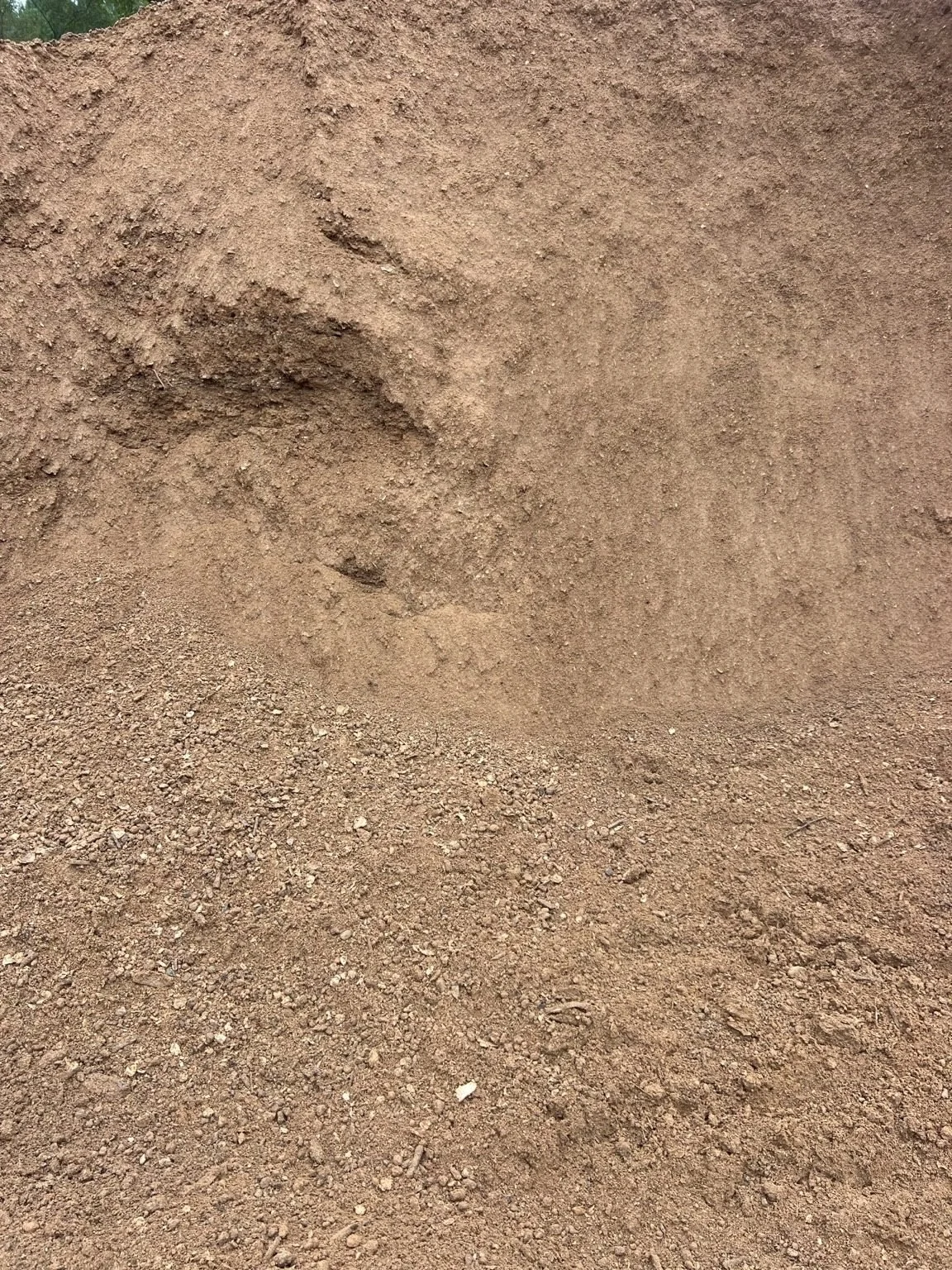 Image 2 of 2
JUMP TO:
About | Common Uses | Coverage & Yield | FAQ | Disclaimer
How Much Sandy Loam Topsoil Do I Need?
Calculator assumes Sandy Loam Topsoil covers approximately 20 cubic feet per ton. Coverage estimates may vary based on moisture content, placement depth, grading, settling, compaction, and site conditions.
Ordering note: Sandy Loam Topsoil is sold in 15–20 ton delivery quantities only.
Sales tax varies by county and is added at checkout.
Truck delivery count is an estimate based on approximately 20 tons per delivery. Sandy Loam Topsoil is sold in 15–20 ton delivery quantities only. Final load count may vary based on material type, truck capacity, legal weight limits, loading conditions, and scheduling.
About Sandy Loam Topsoil
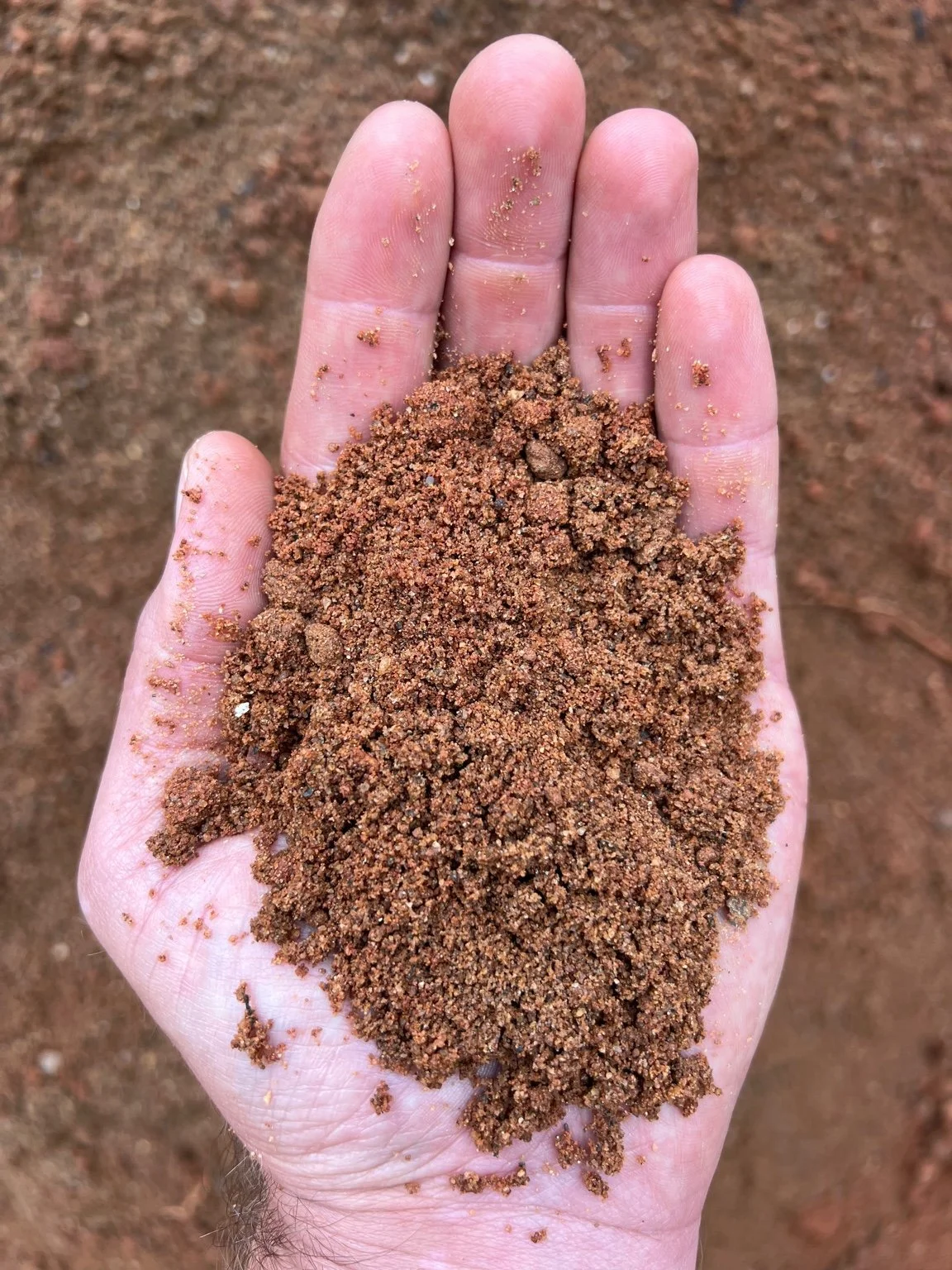
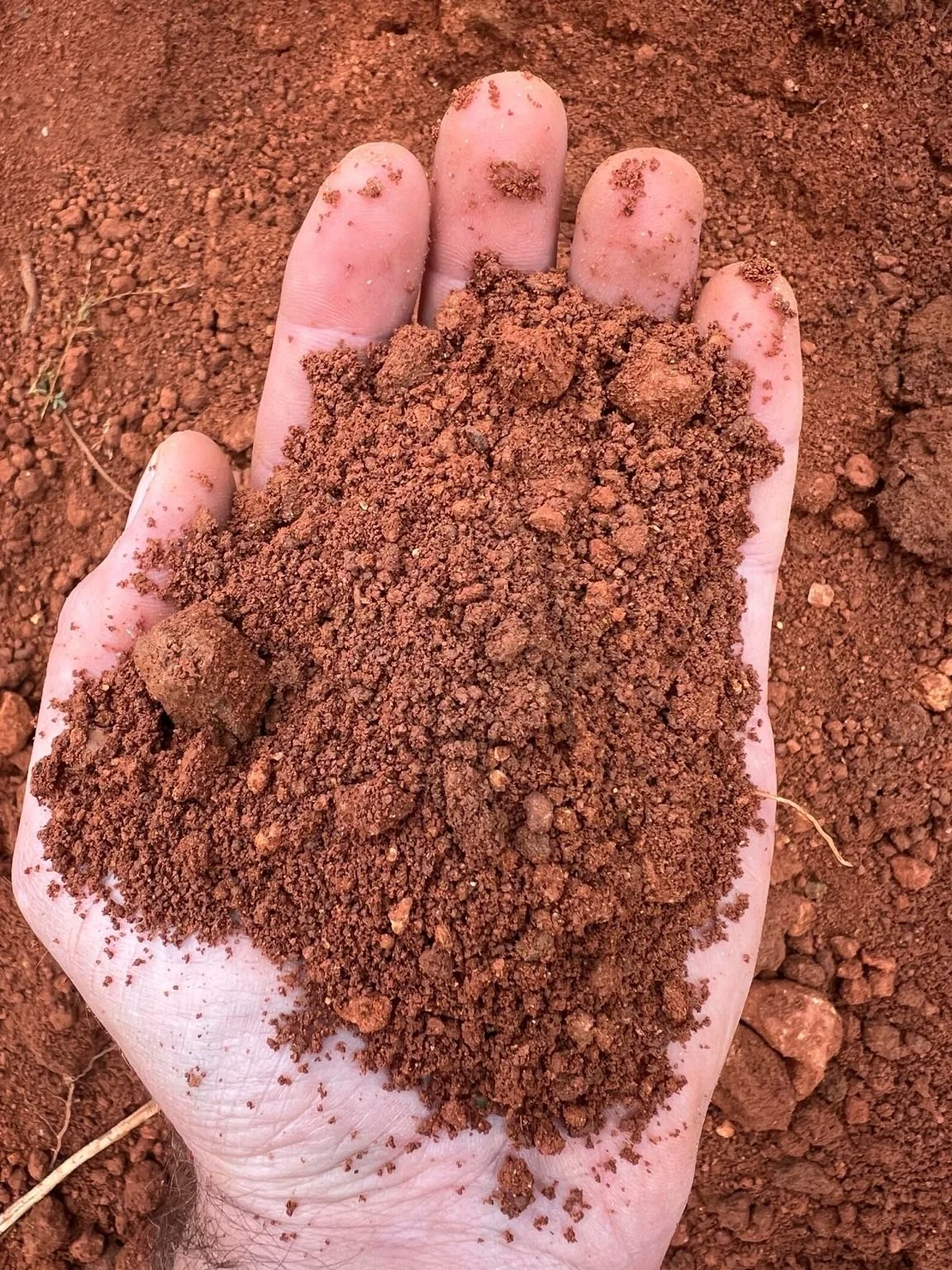
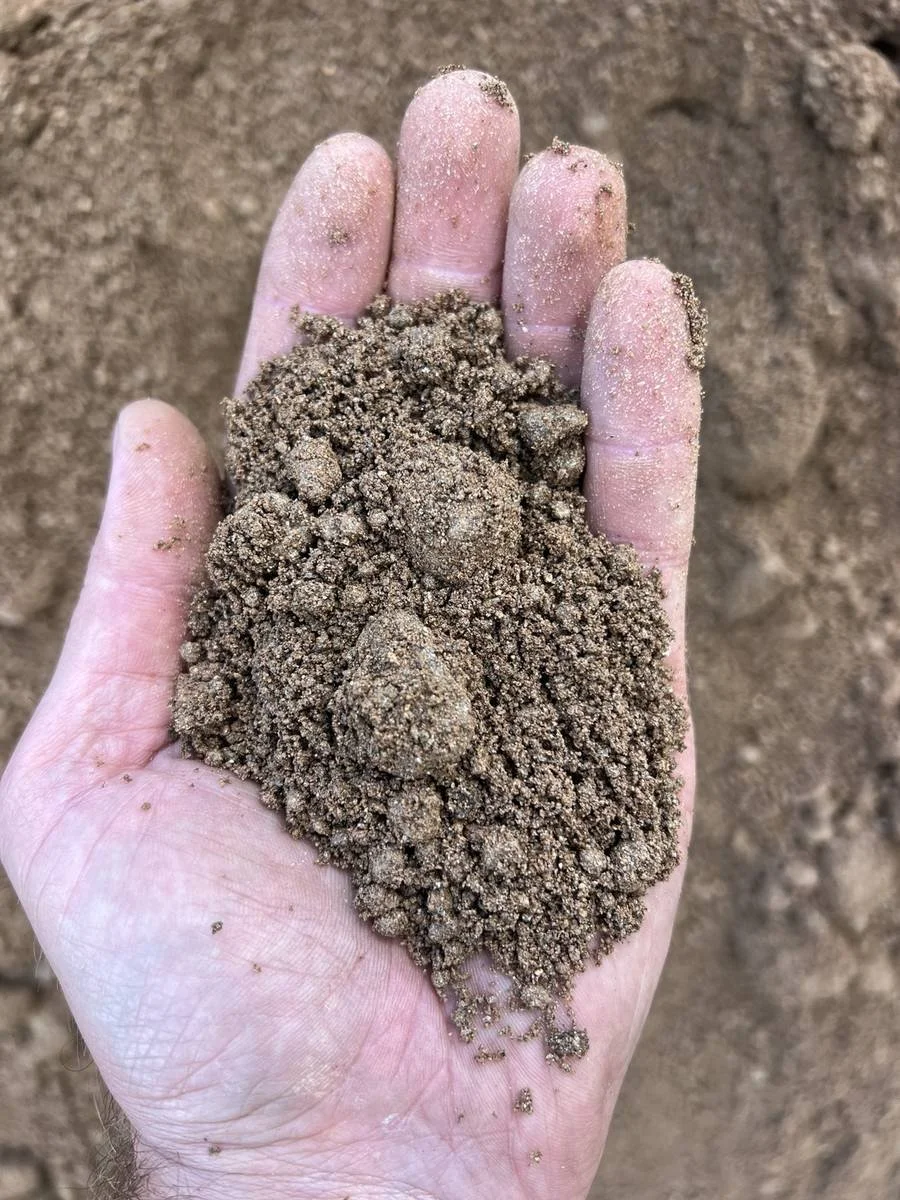
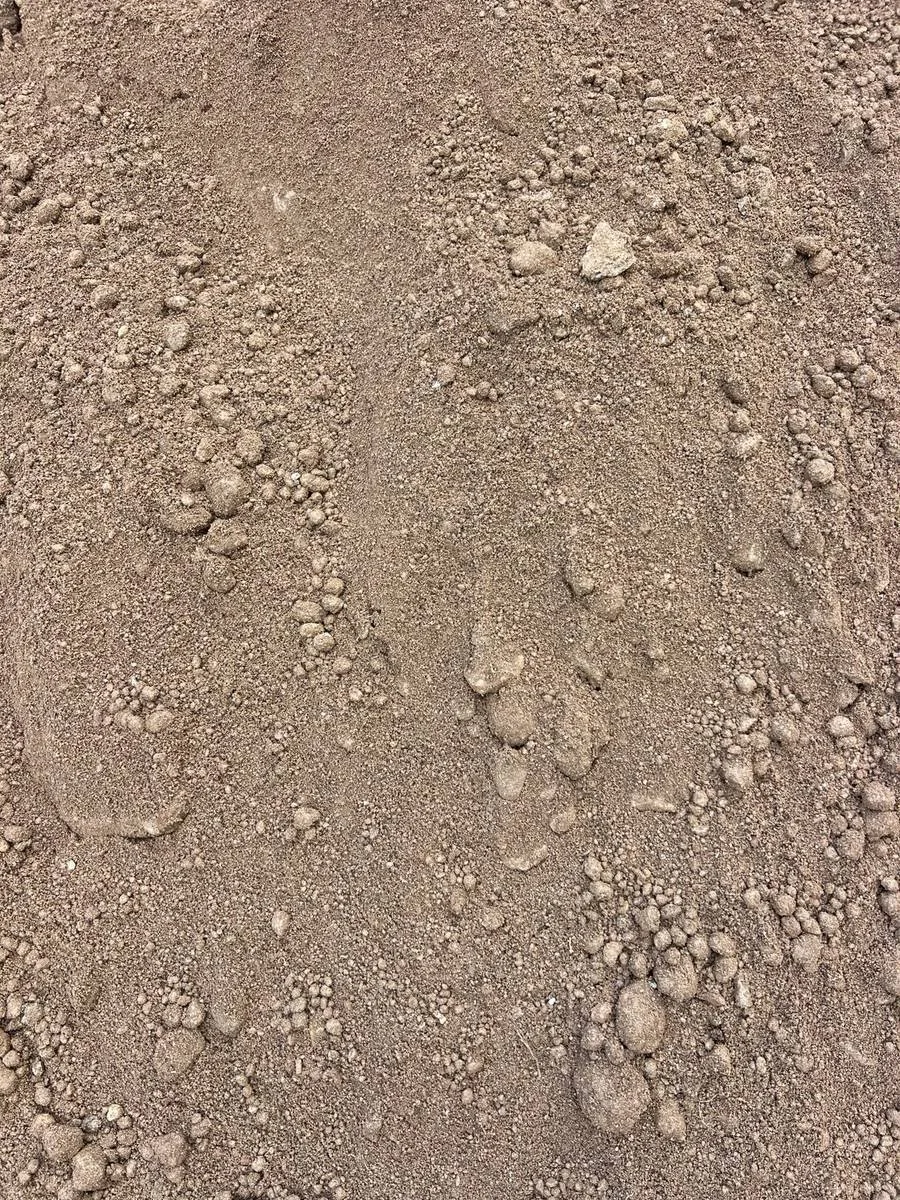
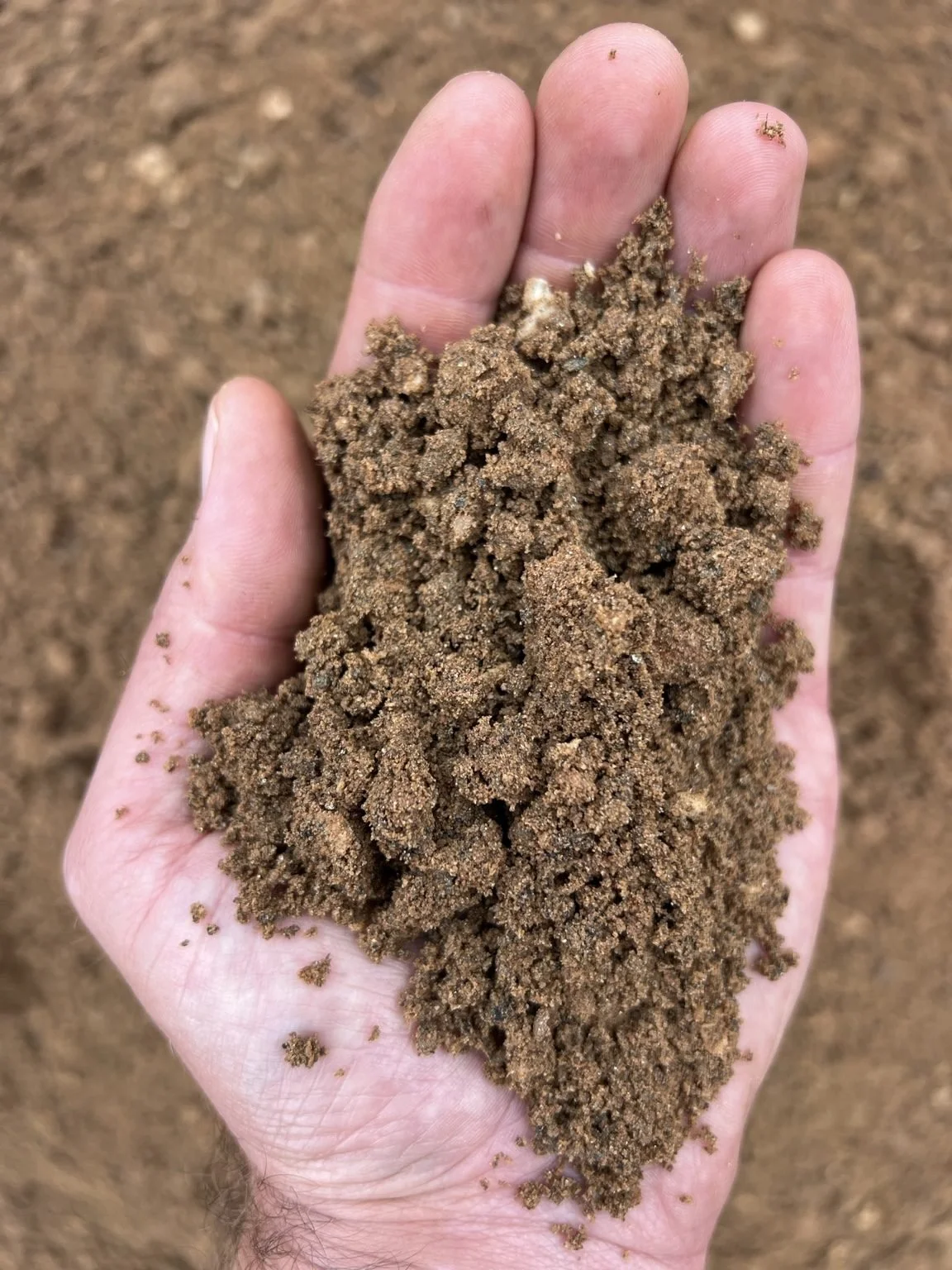
Sandy Loam Topsoil is a soil blend containing sand, silt, clay, and organic matter. It is commonly used for lawn establishment, sod installation, grading, filling low areas, garden beds, and general landscaping projects throughout Upstate South Carolina.
Compared to heavy clay soils, sandy loam is generally easier to spread, grade, and work with while still retaining moisture for plant growth. Because it contains a balance of sand, silt, clay, and organic matter, it is commonly used when preparing areas for grass, landscape plants, and garden projects.
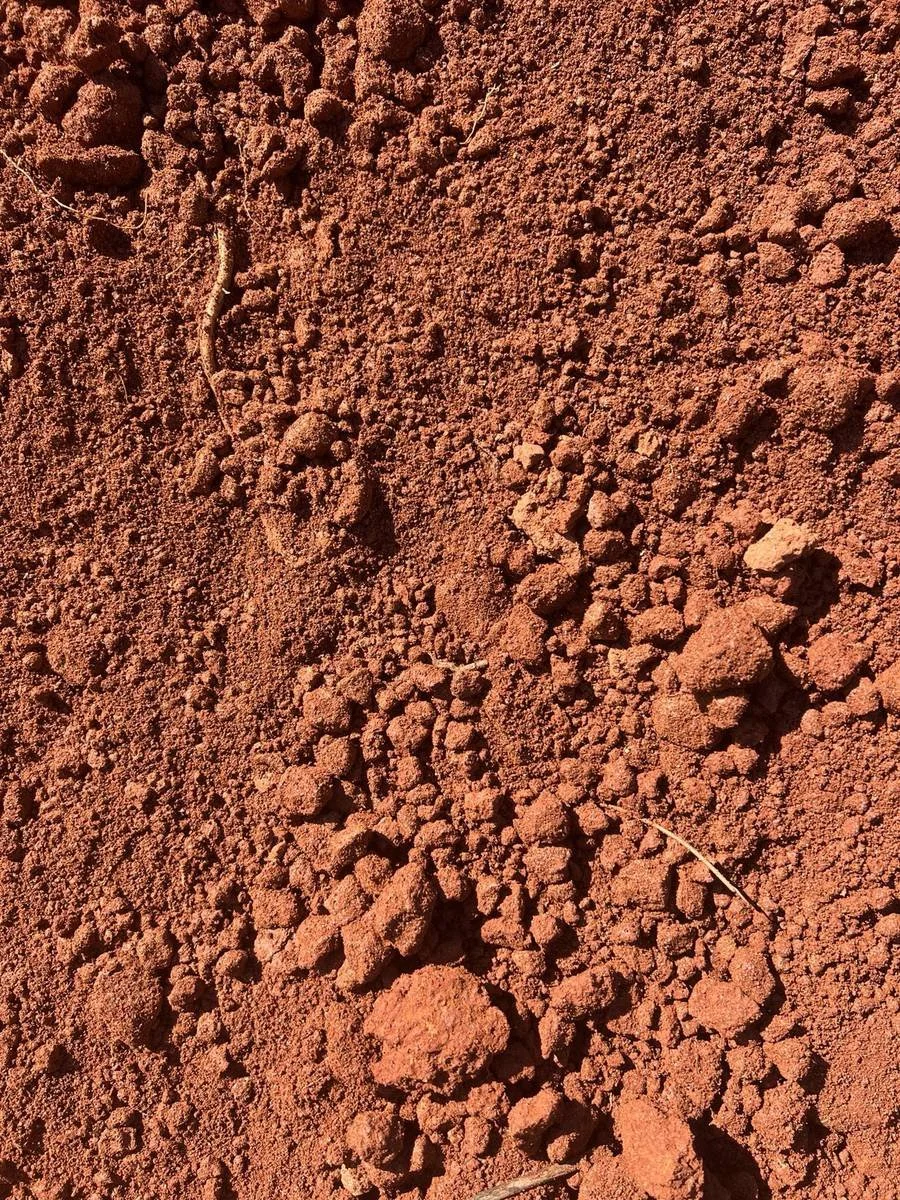
Sandy Loam Topsoil is a natural product. While the material is processed to improve consistency and remove oversized material, small stones, roots, sticks, clods, and other naturally occurring materials may still be present. Material characteristics may vary between loads and source locations.
Common Uses in Upstate South Carolina
Lawn Establishment
Commonly used when preparing areas for Bermuda, fescue, and other turf grasses.
Sod Installation
Commonly used beneath sod to help create a smoother planting surface.
Garden Beds
Frequently used in vegetable gardens, flower beds, and landscape planting areas.
Grading & Leveling
Used to fill low spots and improve yard contours before seeding or sodding.
Erosion Repair
Commonly used when restoring disturbed areas prior to seeding.
New Construction Landscaping
Used during final grading and lawn preparation around homes and commercial properties.
Coverage & Yield
• Calculator Assumption: Approximately 20 cubic feet per ton.
• Approximate Coverage: About 120 square feet per ton at 2 inches deep.
• Approximate Coverage: About 80 square feet per ton at 3 inches deep.
• Approximate Coverage: About 60 square feet per ton at 4 inches deep.
• Note: Coverage estimates are approximate and may vary based on moisture content, placement depth, grading, settling, compaction, and site conditions.
FAQ
What is Sandy Loam Topsoil?
Sandy Loam Topsoil is a blend of sand, silt, clay, and organic matter commonly used for lawns, landscaping, and planting projects.
What is Sandy Loam Topsoil used for?
Common uses include lawn establishment, sod installation, grading, garden beds, and general landscaping.
Is Sandy Loam Topsoil good for growing grass?
Yes. Sandy Loam Topsoil is commonly used when establishing new lawns from seed or sod. Final results may vary based on grading, seed or sod type, watering, fertilization, soil preparation, and site conditions.
Will Sandy Loam Topsoil contain rocks, roots, or sticks?
Possibly. As a natural product, small stones, roots, sticks, clods, and other naturally occurring materials may still be present.
How much does one ton cover?
One ton of Sandy Loam Topsoil covers approximately 120 square feet at 2 inches deep, 80 square feet at 3 inches deep, or 60 square feet at 4 inches deep. Coverage is approximate and may vary based on moisture content, placement depth, grading, settling, compaction, and site conditions.
Can Sandy Loam Topsoil be used under sod?
Yes. It is commonly used during sod installation and lawn renovation projects.
Can Sandy Loam Topsoil be used to fill low spots in a yard?
Yes. Sandy Loam Topsoil is commonly used to fill shallow low areas before seeding or sodding.
Does Sandy Loam Topsoil settle or compact?
Yes. Sandy Loam Topsoil may settle or compact after placement, especially after grading, watering, rainfall, or foot traffic. It is not intended for structural support, driveways, building pads, or heavily compacted base applications.
Can Sandy Loam Topsoil be used for vegetable gardens?
Sandy Loam Topsoil is commonly used in garden beds and planting areas. Depending on the project, soil amendments, compost, fertilizer, or soil testing may be needed for specific plants or vegetable gardens.
What is the minimum order quantity?
Sandy Loam Topsoil is currently available in approximately 15–20 ton delivery quantities.
Can Sandy Loam Topsoil be tailgate spread?
Tailgate spreading may be available when site conditions allow. Final determination is made by the driver at delivery. Tailgate spreading helps distribute material during unloading, but it does not guarantee a finished, graded, or level surface. Additional grading, raking, or site work may be required.
Where do you deliver Sandy Loam Topsoil?
Palmetto Sand & Gravel delivers throughout Spartanburg, Greenville, Cherokee, Laurens, and Union Counties in Upstate South Carolina.
Disclaimer
Sandy Loam Topsoil is a natural soil product. Color, texture, moisture content, organic content, particle size, and material composition may vary between loads and source locations. Although the material is processed through a screening system to remove oversized material, small stones, roots, sticks, clods, and other naturally occurring materials may still be present. Sandy Loam Topsoil is not manufactured to be rock-free, debris-free, sterile, or uniform like bagged soil or engineered soil blends. Coverage estimates are approximate and may vary based on moisture content, placement depth, grading, settling, compaction, and site conditions. Sandy Loam Topsoil is not intended for structural support, driveways, building pads, or compacted aggregate base applications. Quantities are approximate and subject to normal industry tolerances. Product appearance may differ from photographs shown online. Tailgate spreading, when available, is intended to assist with material placement only and does not guarantee a finished, graded, or level surface.