 Image 1 of 3
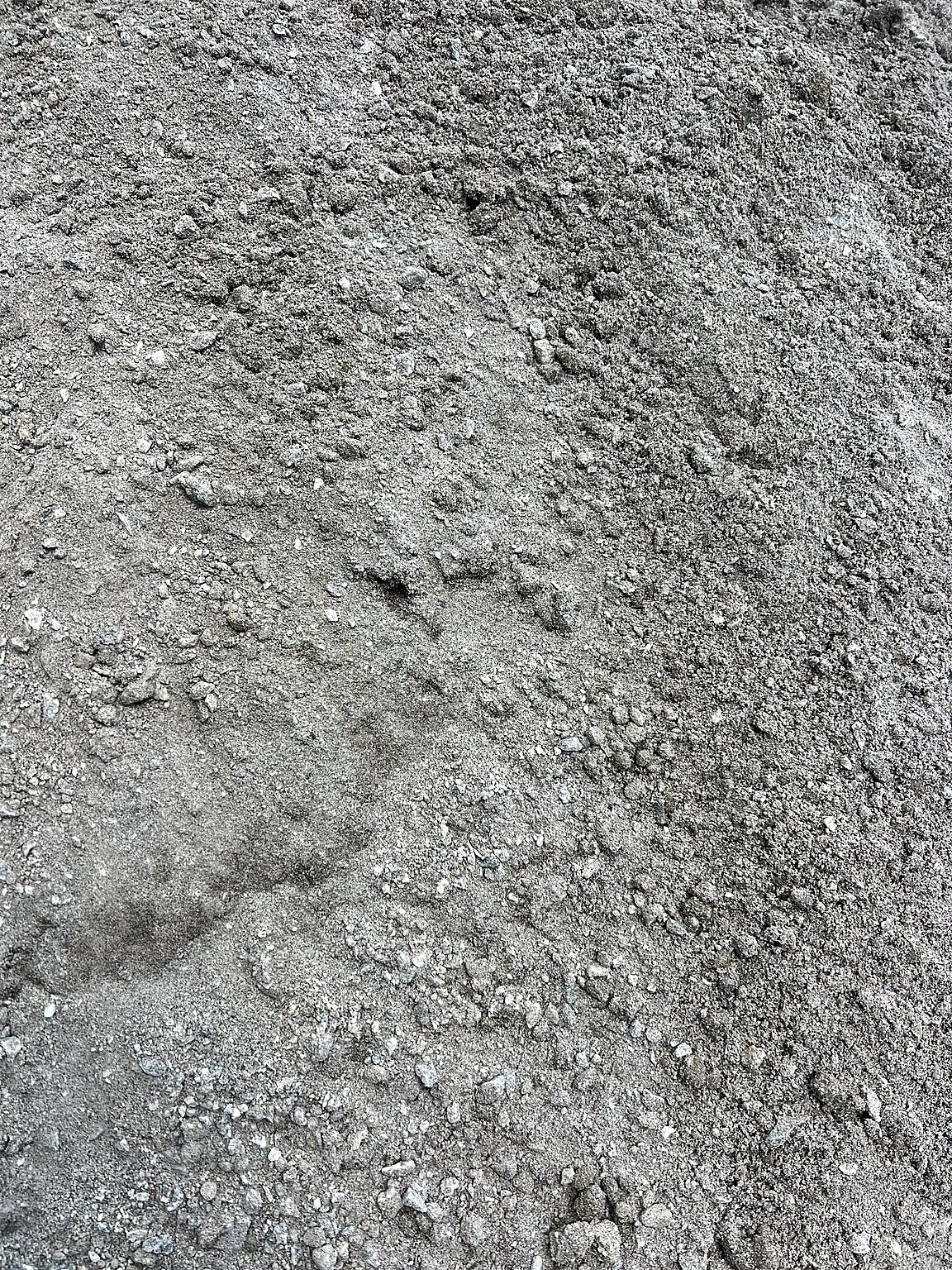 Image 2 of 3
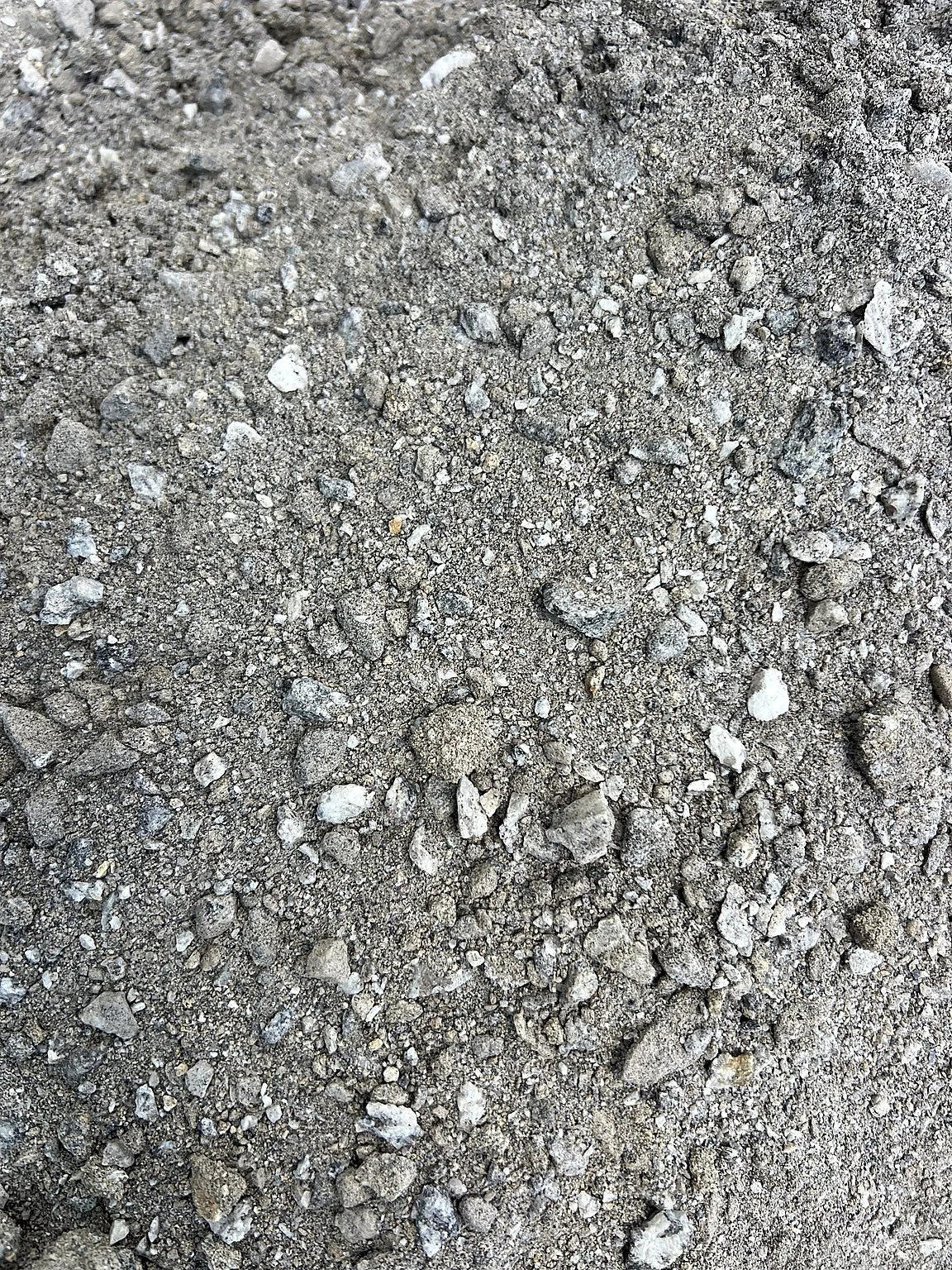 Image 3 of 3
JUMP TO:
About | Common Uses | Coverage & Yield | FAQ | Disclaimer
How Much Granite Screenings Do I Need?
Calculator assumes Granite Screenings cover approximately 17 cubic feet per ton. Coverage estimates may vary based on moisture content, placement depth, grading, compaction, and site conditions.
Sales tax varies by county and is added at checkout.
Truck delivery count is an estimate based on approximately 20 tons per delivery. Final load count may vary based on material type, truck capacity, legal weight limits, loading conditions, and scheduling.
About Granite Screenings (Crusher Dust / Granite Dust)
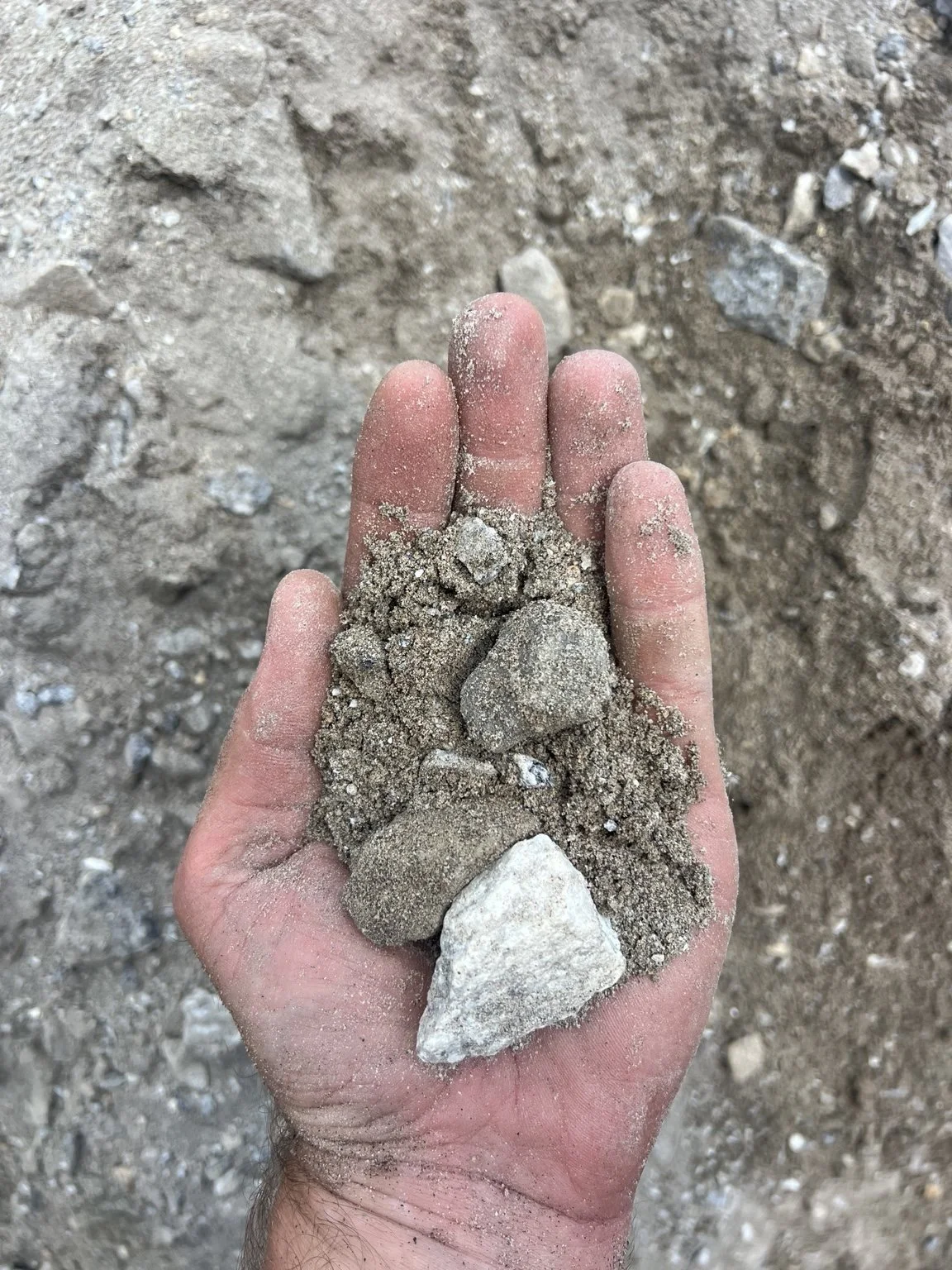
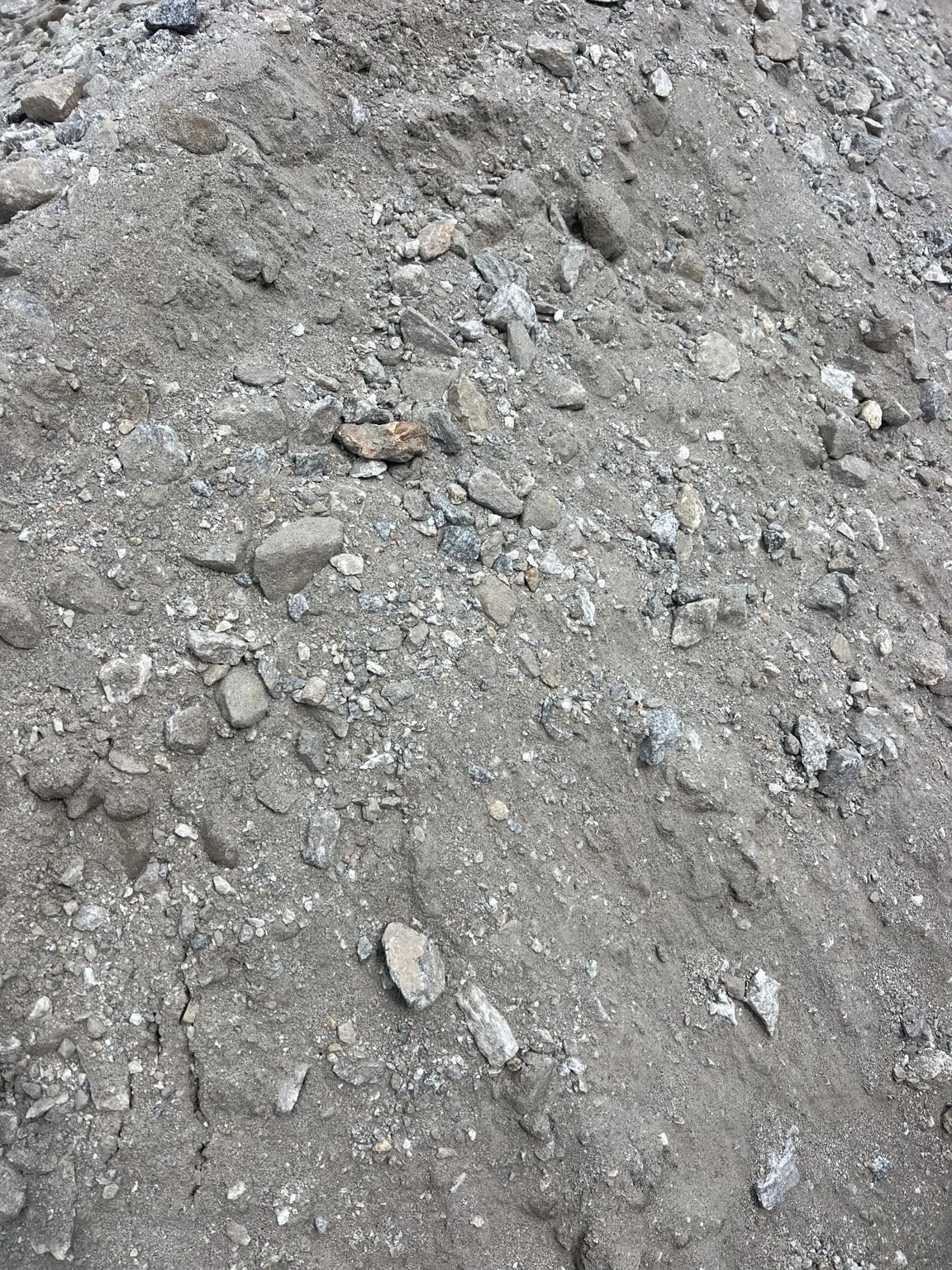
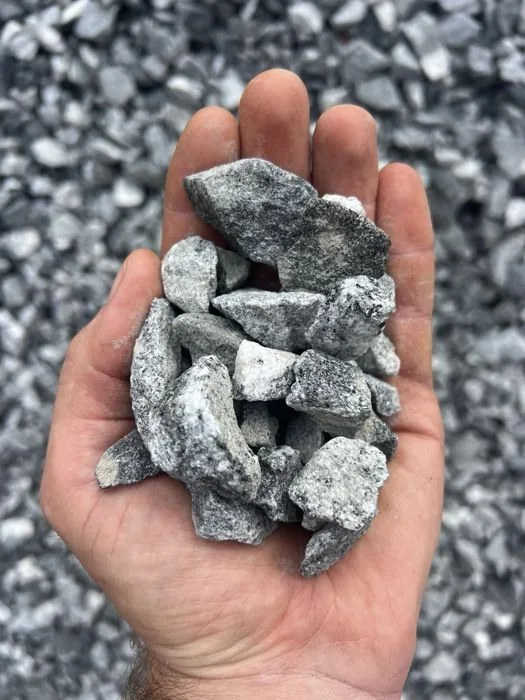
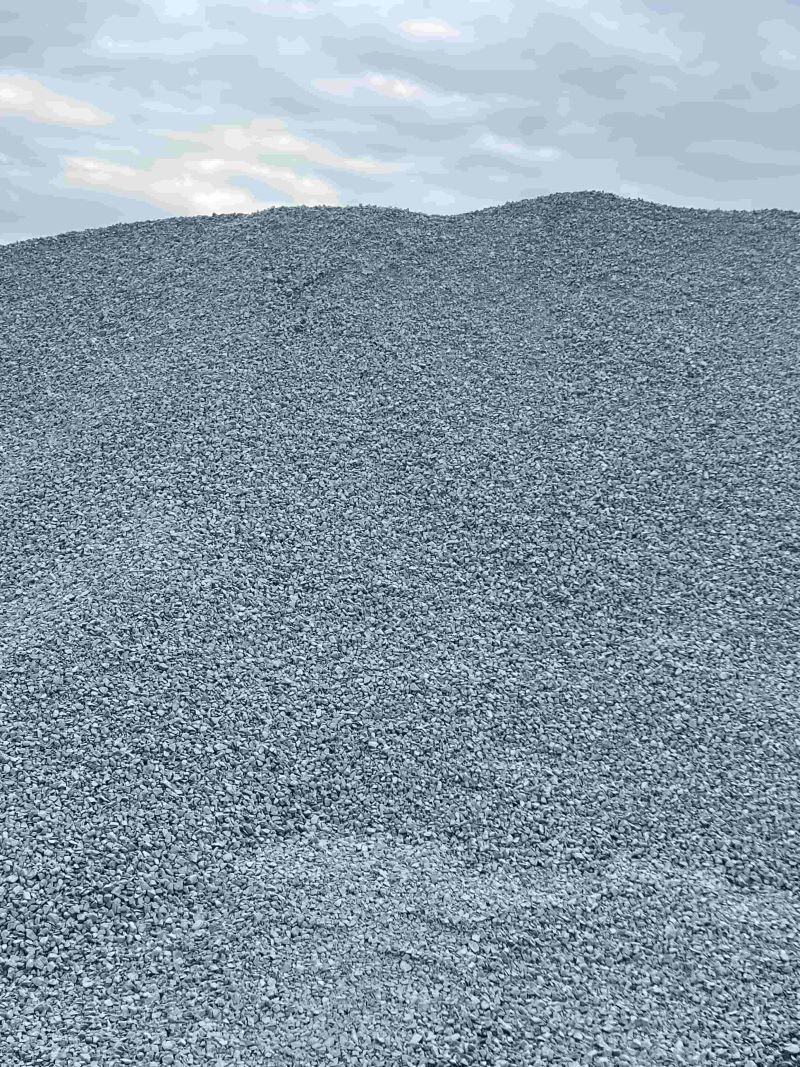
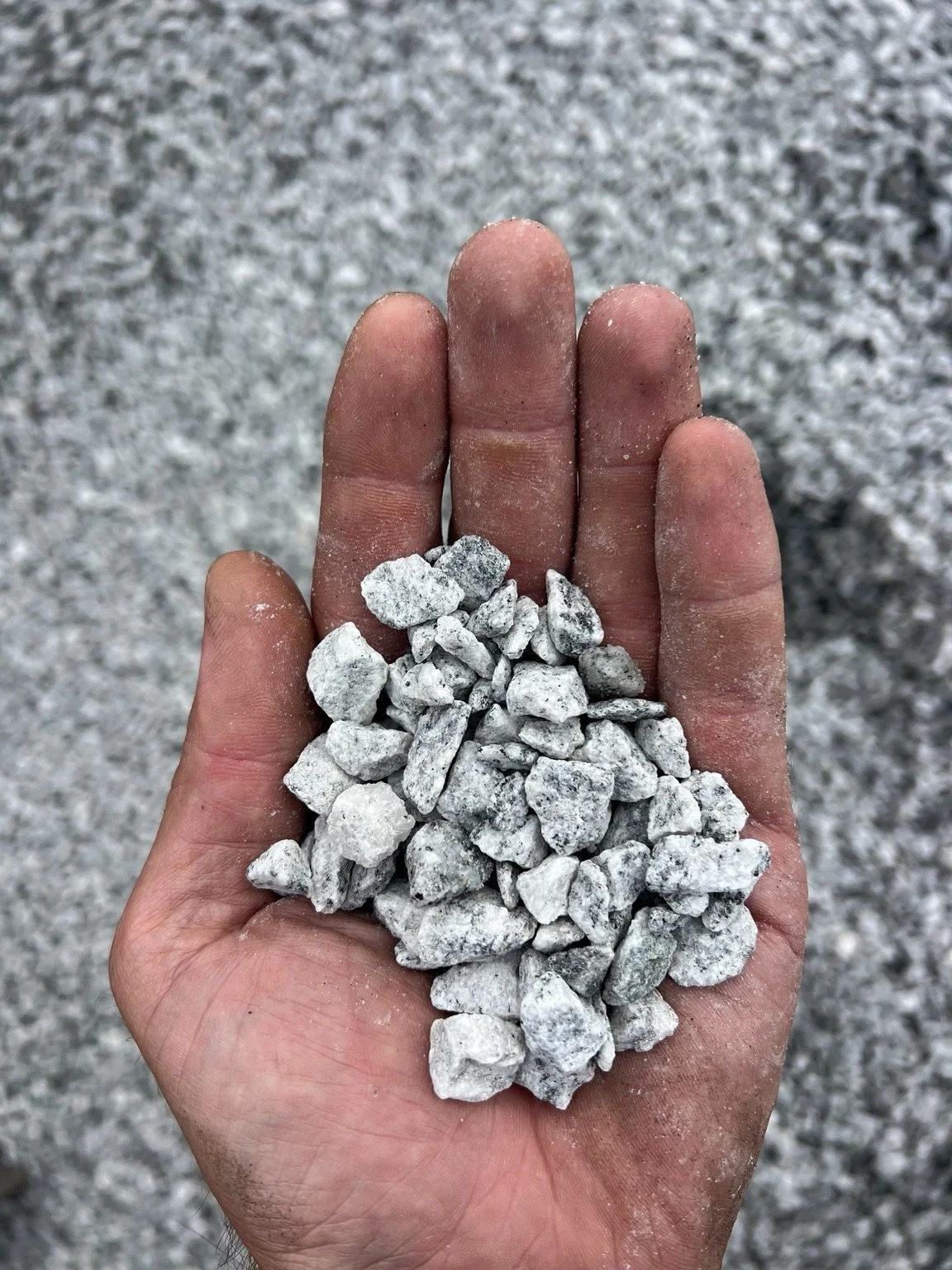
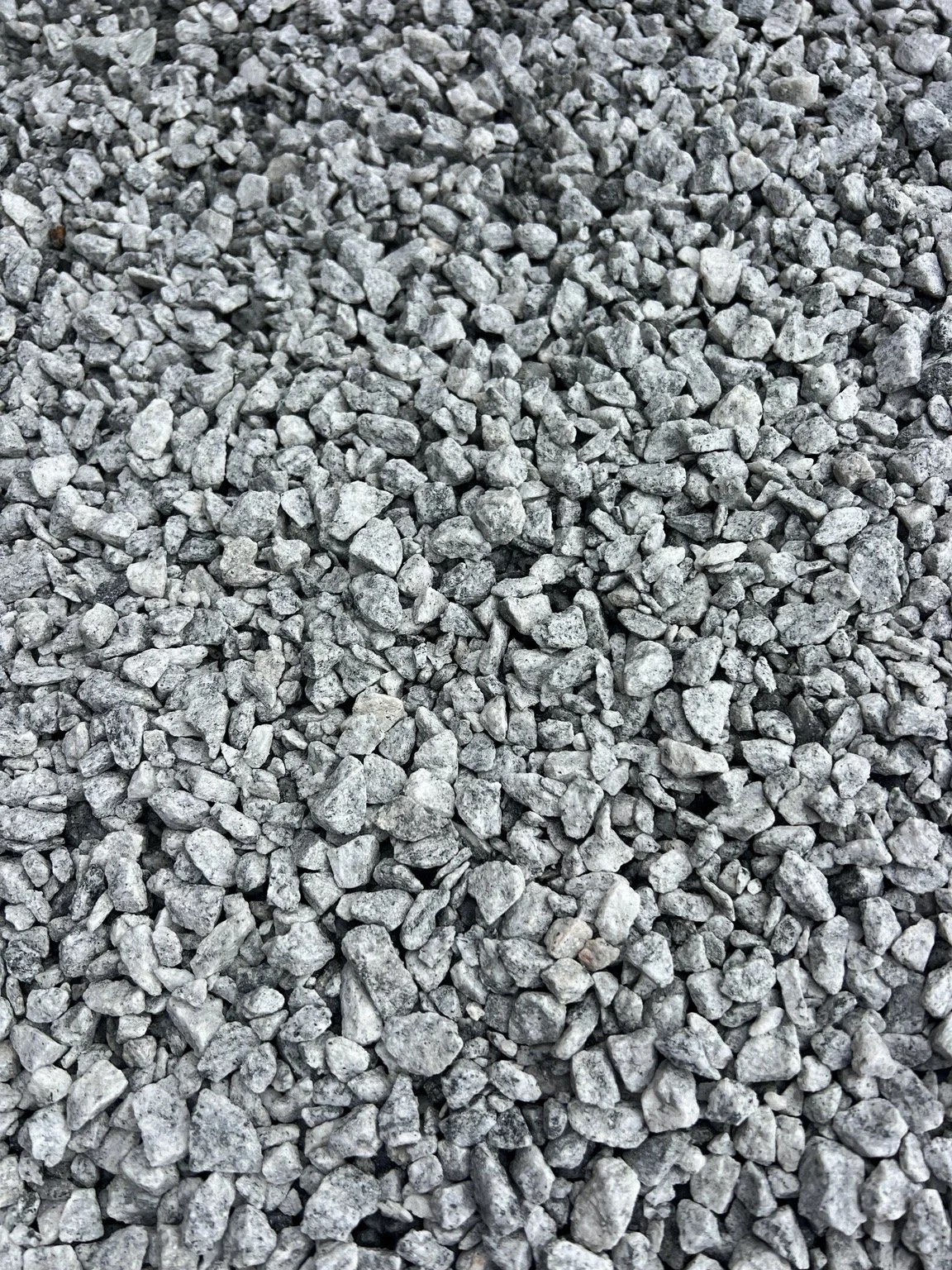
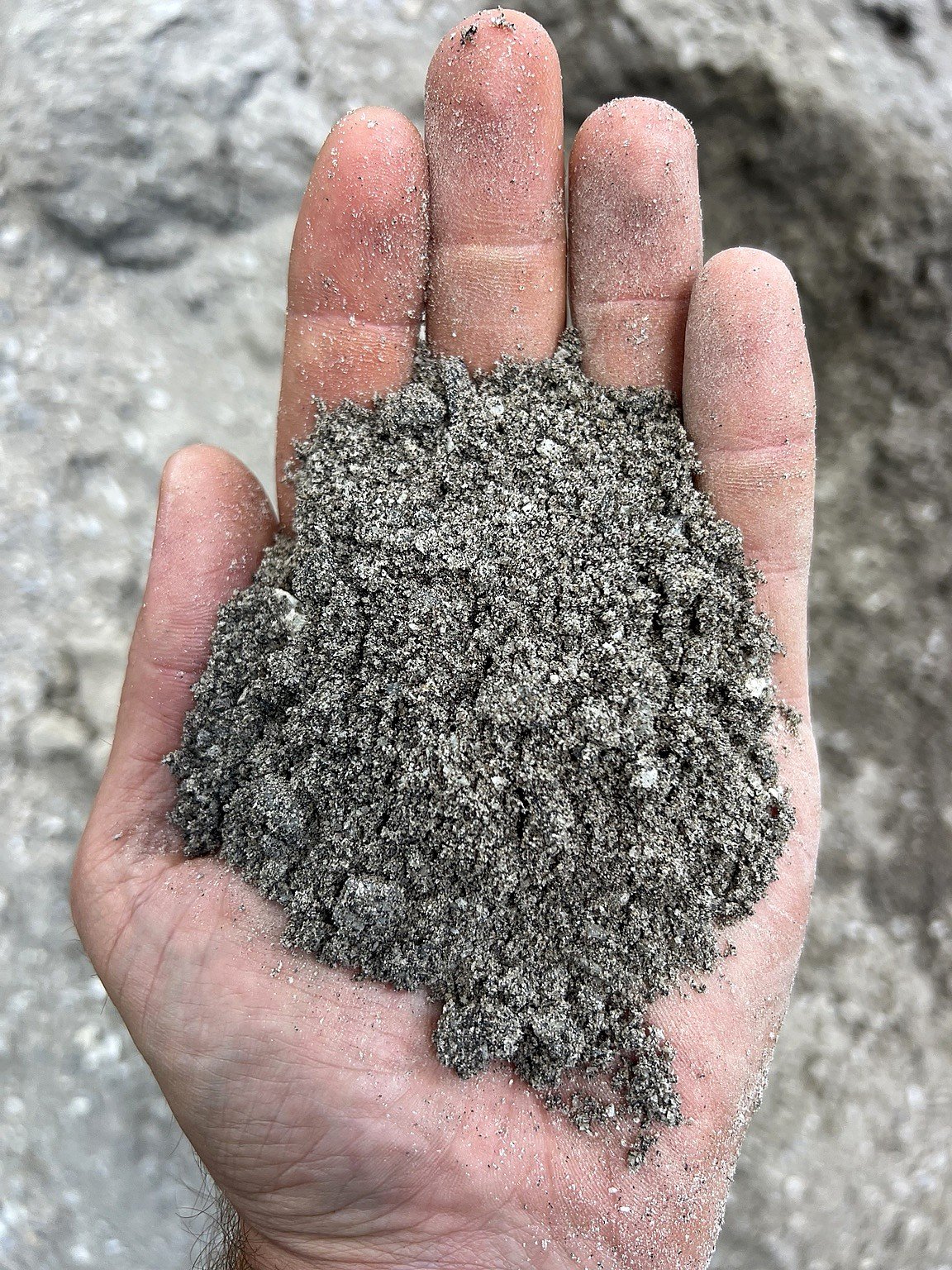
Granite Screenings, also known as Crusher Dust, Granite Dust, or Stone Dust, are a crushed granite aggregate consisting primarily of fine particles. Depending on quarry production and screening processes, the material may also contain small aggregate pieces in addition to stone fines.
Because the particles are angular, Granite Screenings compact tightly and create a stable surface with minimal voids. This makes them a common choice for paver foundations, walkways, leveling applications, pipe bedding, and other projects where a compacted surface is desired.
Unlike clean aggregate products such as #57 Stone or #789 Stone, Granite Screenings contain a high percentage of fines and are intended for compaction rather than drainage.
Common Uses in Upstate South Carolina
Paver Bases
Frequently used beneath pavers, patios, and walkways to create a stable foundation.
Walkways & Paths
Commonly used where a compacted surface is desired.
Pipe Bedding
Used to help fill voids around drainage and utility pipes.
Leveling Areas
Frequently used beneath sheds, patios, and similar projects requiring a level surface.
Patio Foundations
Commonly used as part of a compacted base system.
General Grading Projects
Used where fine aggregate is needed for leveling and compaction.
Coverage & Yield
• Calculator Assumption: Approximately 17 cubic feet per ton.
• Approximate Coverage: About 100 square feet per ton at 2 inches deep.
• Approximate Coverage: About 65 square feet per ton at 3 inches deep.
• Compaction: Expect some reduction in loose depth after compaction.
• Note: Coverage estimates are approximate and may vary based on moisture content, placement depth, grading, compaction, and site conditions.
FAQ
What are Granite Screenings?
Granite Screenings are crushed granite fines and small aggregate particles produced during the stone crushing and screening process.
Are Granite Screenings the same as Crusher Dust?
Yes. Granite Screenings, Crusher Dust, Granite Dust, and Stone Dust are commonly used names for similar materials.
Are Granite Screenings the same as Sand?
No. Granite Screenings are crushed granite fines, while sand is a naturally occurring or processed granular material. Granite Screenings generally compact more tightly than most sands.
What are Granite Screenings used for?
Common uses include paver bases, walkways, leveling projects, pipe bedding, patio foundations, and grading applications.
Do Granite Screenings compact well?
Yes. Granite Screenings contain angular fines that can compact into a dense surface when properly placed and compacted. Compaction results may vary based on moisture content, depth, equipment used, and site conditions.
How much does one ton cover?
One ton of Granite Screenings covers approximately 100 square feet at 2 inches deep or 65 square feet at 3 inches deep. Coverage is approximate and may vary based on moisture content, placement depth, grading, compaction, and site conditions.
Can Granite Screenings be used for driveways?
Granite Screenings are generally used for leveling, bedding, and compacted surface applications rather than as the primary base for most driveways. Crusher Run is more commonly used when a stronger compacted driveway base is needed.
Do Granite Screenings drain well?
No. Because they contain a high percentage of fines, Granite Screenings are intended for compaction rather than drainage.
What is the difference between Granite Screenings and Crusher Run?
Granite Screenings consist primarily of fines and small aggregate particles. Crusher Run contains the same fines along with larger stone, creating a stronger aggregate base material.
What is the difference between Granite Screenings and #57 Stone?
Granite Screenings are designed for compaction. #57 Stone is a clean aggregate designed primarily for drainage applications.
Can Granite Screenings be tailgate spread?
Tailgate spreading may be available when site conditions allow. Final determination is made by the driver at delivery. Tailgate spreading helps distribute material during unloading, but it does not guarantee a finished, graded, or level surface. Additional grading, raking, or site work may be required.
What is the minimum order quantity?
Granite Screenings are available in quantities from 1 ton up to a full tri-axle load. Free delivery applies to qualifying orders of 15 tons or more.
Can Granite Screenings be used beneath pavers?
Yes. Granite Screenings are commonly used as part of a paver base system where a compacted surface is desired.
Where do you deliver Granite Screenings?
Palmetto Sand & Gravel delivers throughout Spartanburg, Greenville, Cherokee, Laurens, and Union Counties in Upstate South Carolina.
Disclaimer
Granite Screenings are a natural aggregate product made from crushed granite fines and small aggregate particles. Color, texture, moisture content, fines content, and particle size may vary between loads and source locations. The material consists primarily of granite fines but may also contain occasional small aggregate pieces produced during normal crushing and screening operations. Coverage estimates are approximate and may vary based on moisture content, placement depth, grading, compaction, and site conditions. Compaction results may vary depending on installation method, moisture conditions, equipment used, and subgrade conditions. Quantities are approximate and subject to normal industry tolerances. Product appearance may differ from photographs shown online. Tailgate spreading, when available, is intended to assist with material placement only and does not guarantee a finished, graded, or level surface.