 Image 1 of 2
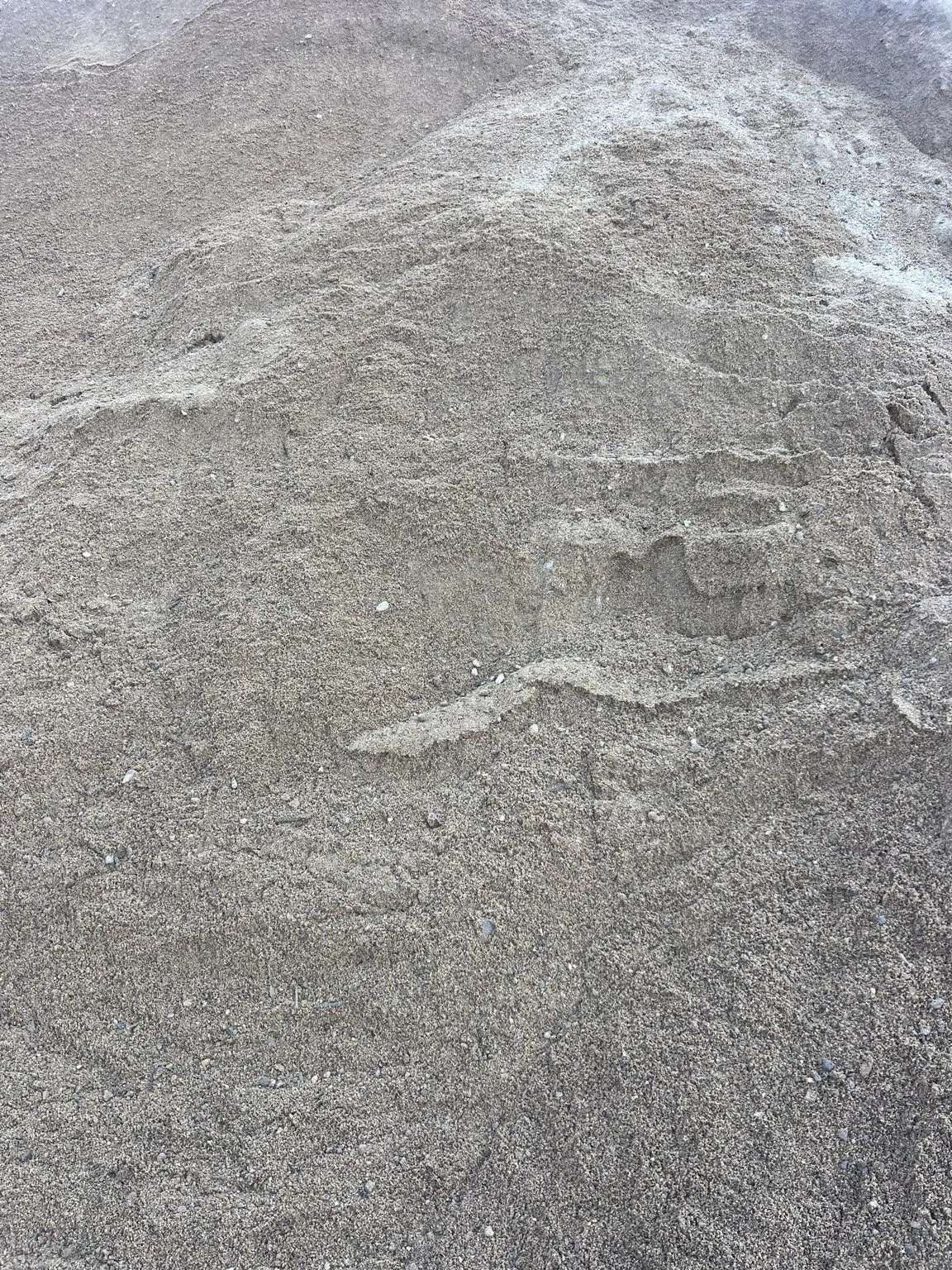 Image 2 of 2
Jump to:
About | Common Uses | Coverage & Yield | FAQ | Disclaimer
How Much Manufactured Sand (M-Sand) Do I Need?
Calculator assumes Manufactured Sand (M-Sand) covers approximately 20 cubic feet per ton. Coverage estimates are approximate and may vary based on moisture content, placement depth, grading, and compaction.
Sales tax varies by county and is added at checkout.
Truck delivery count is an estimate based on approximately 20 tons per delivery. Final load count may vary based on material type, truck capacity, legal weight limits, loading conditions, and scheduling.
About Manufactured Sand
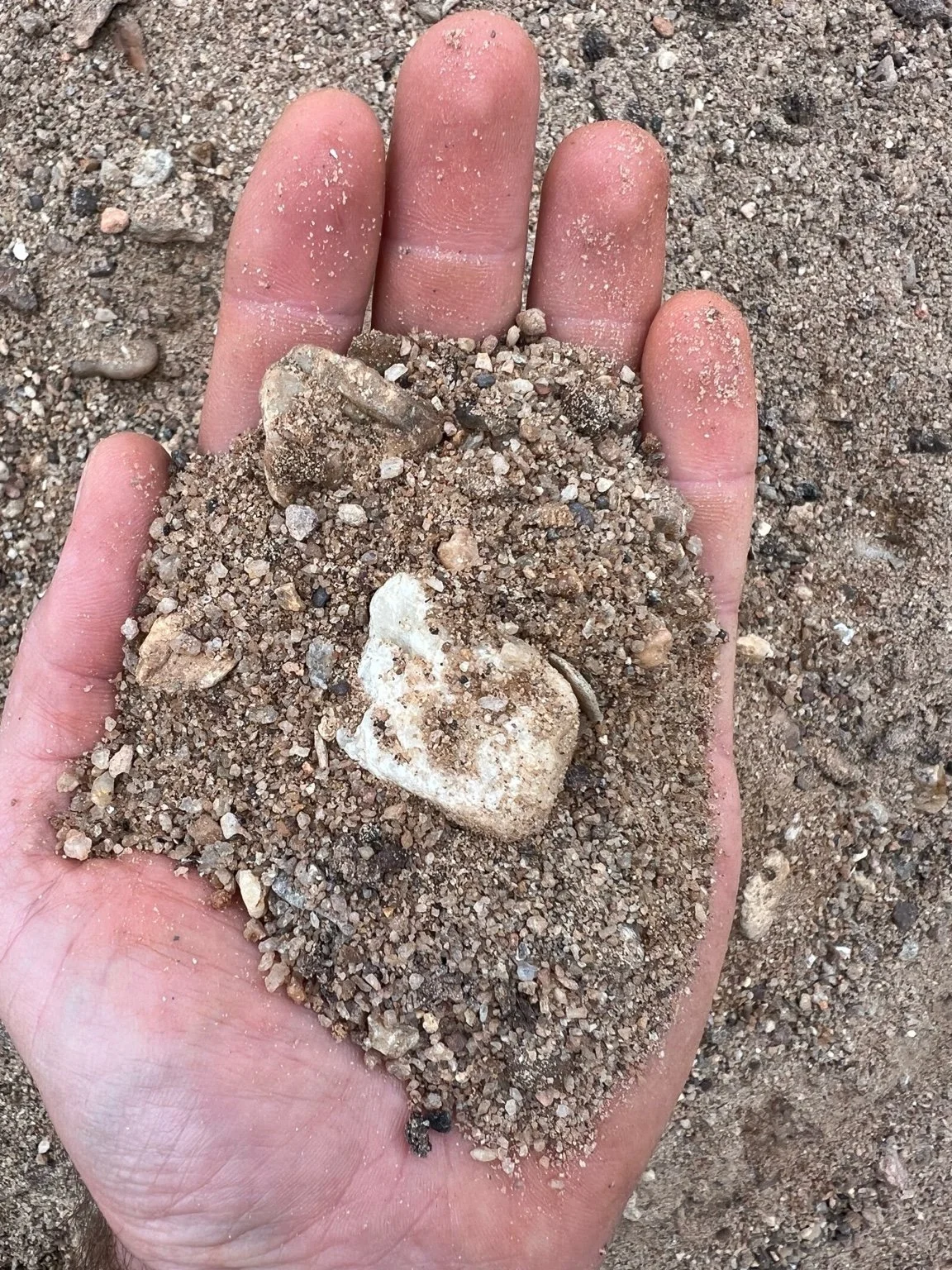
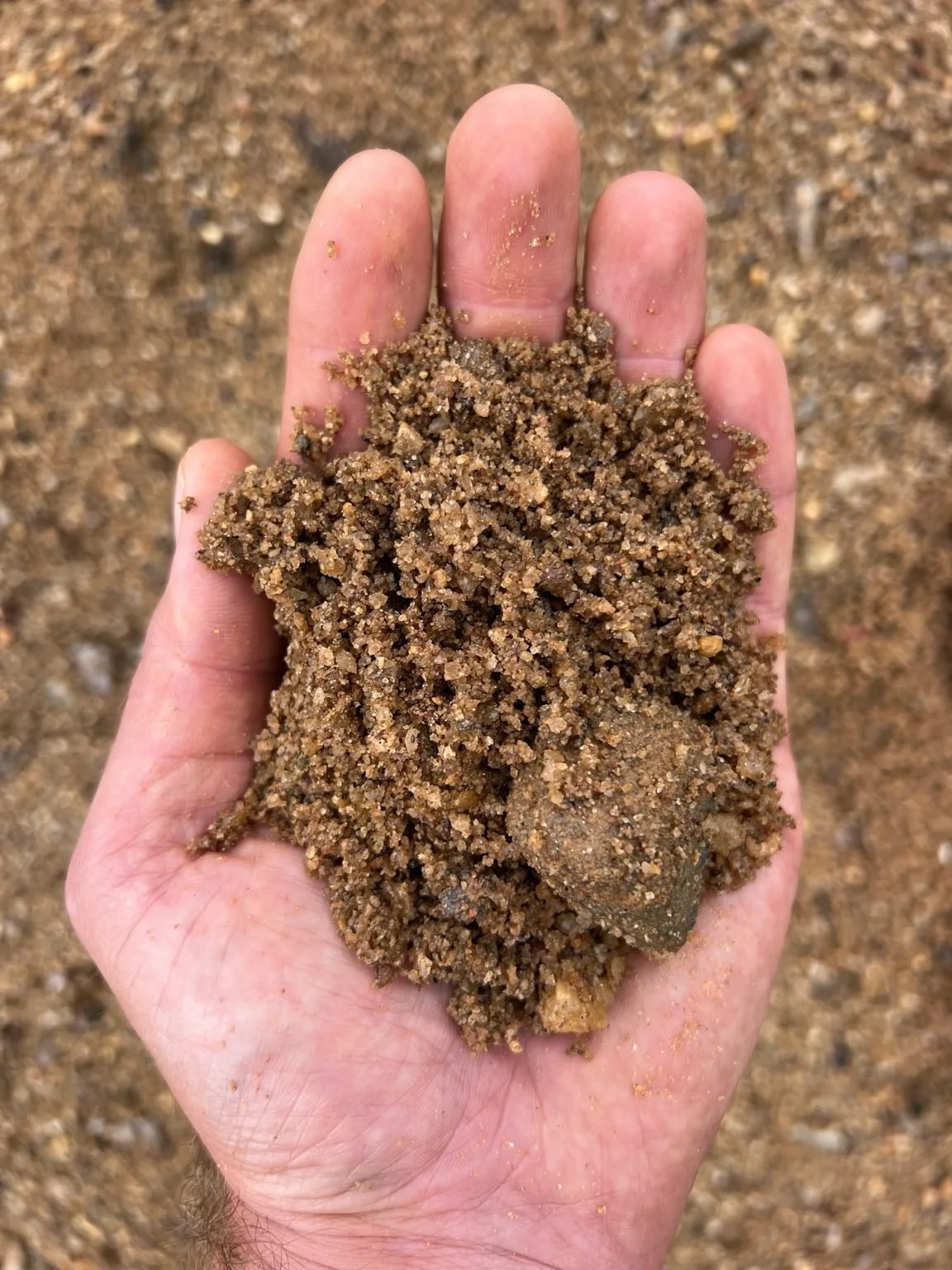
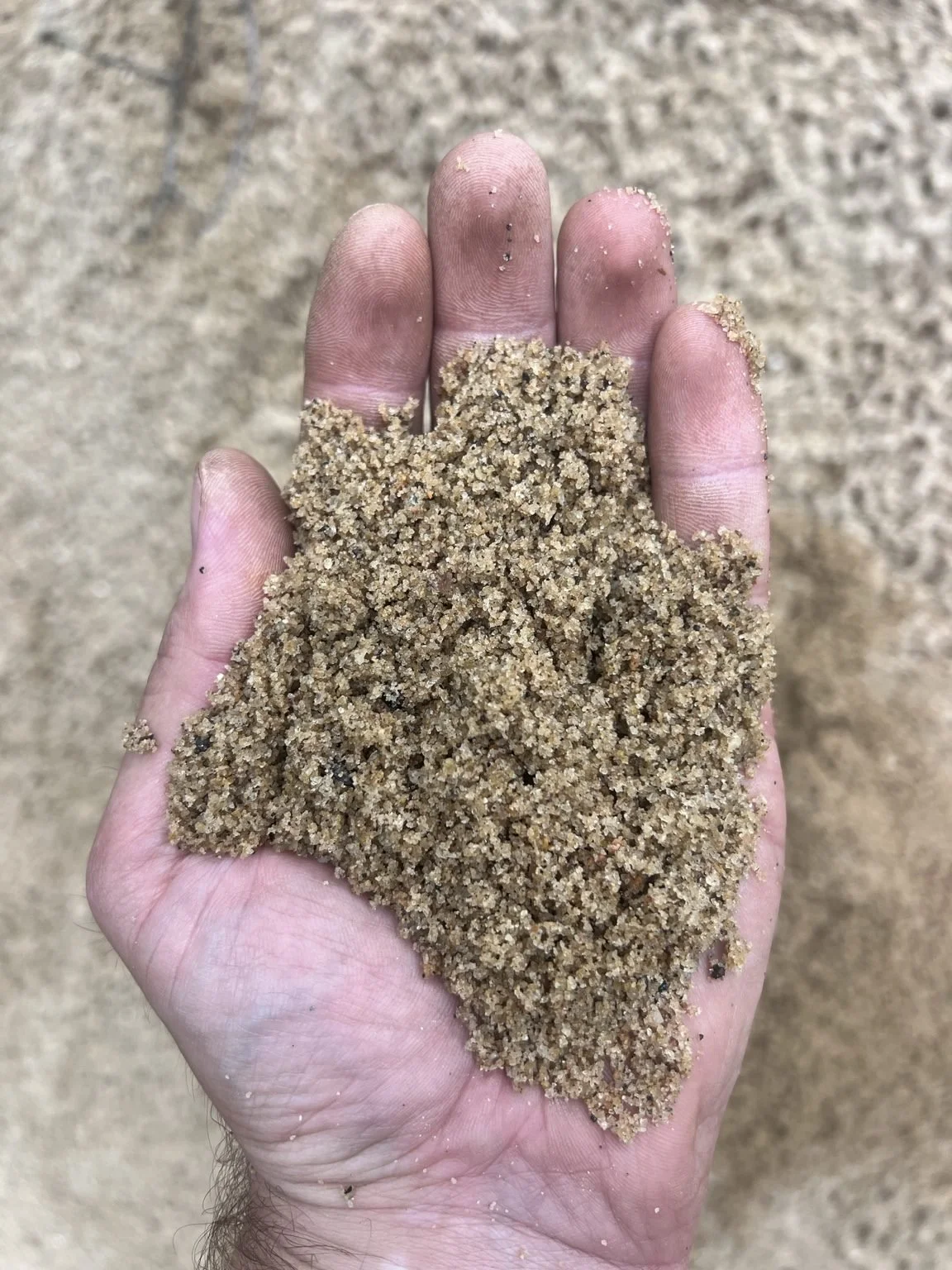
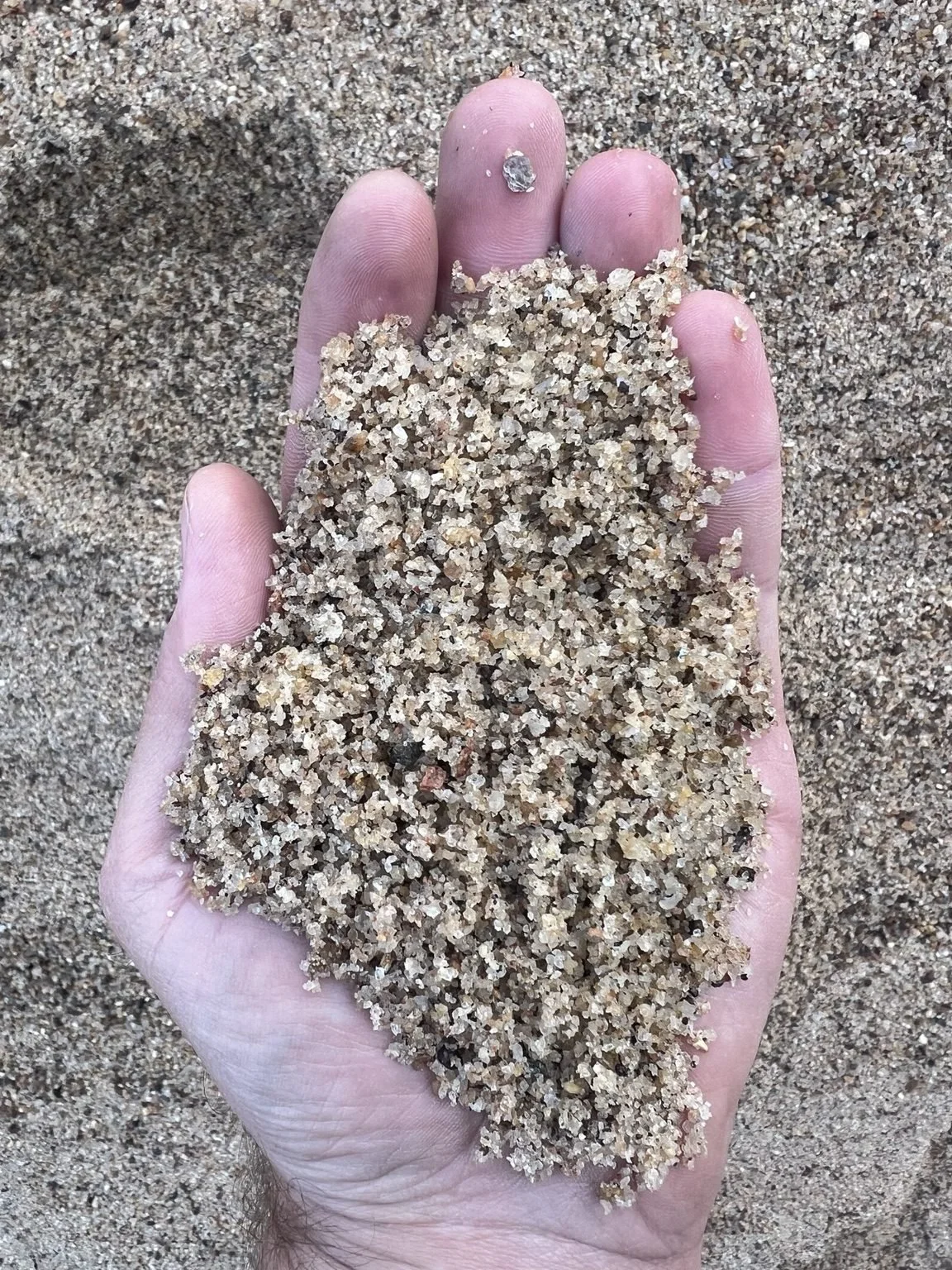
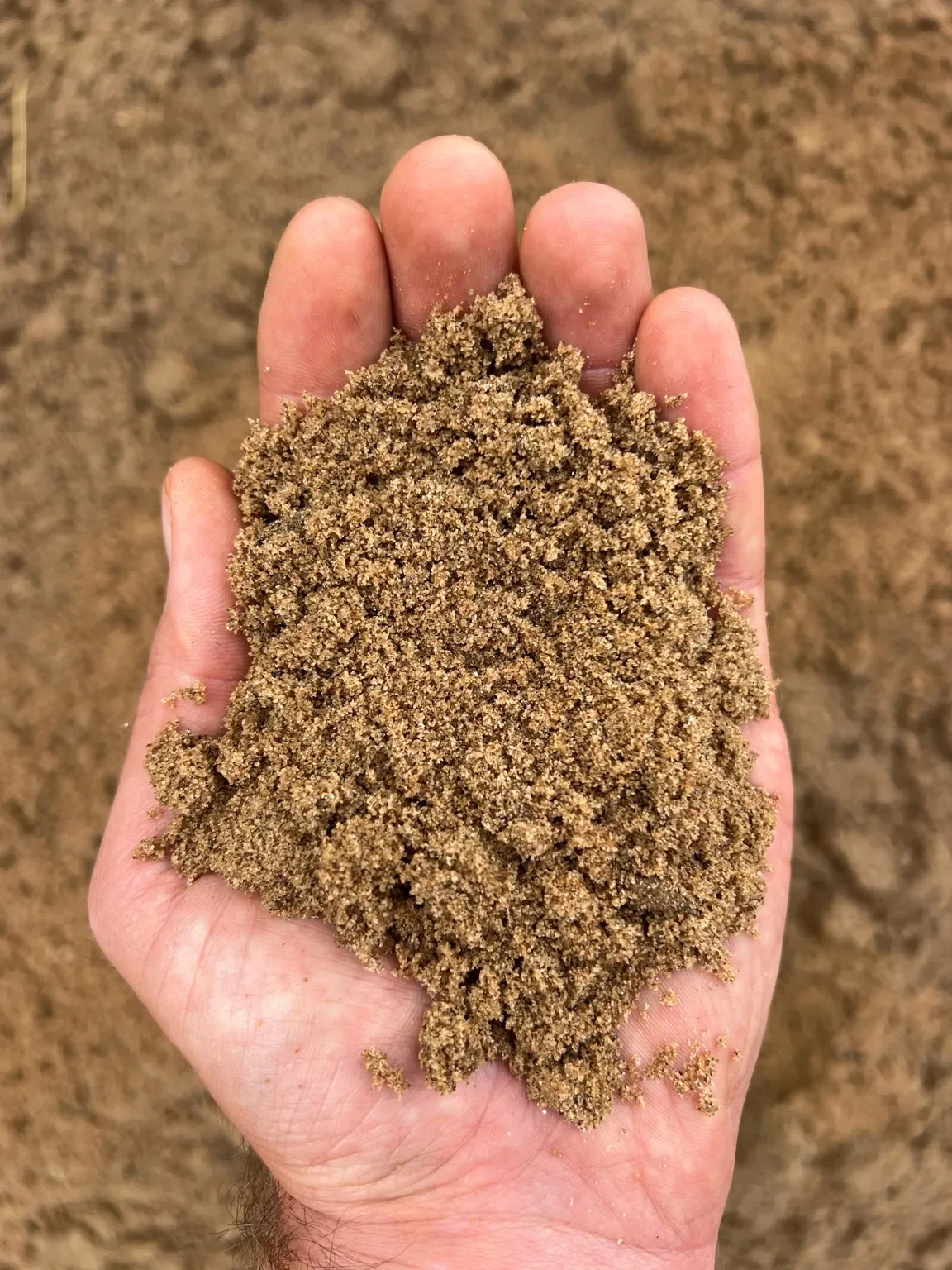
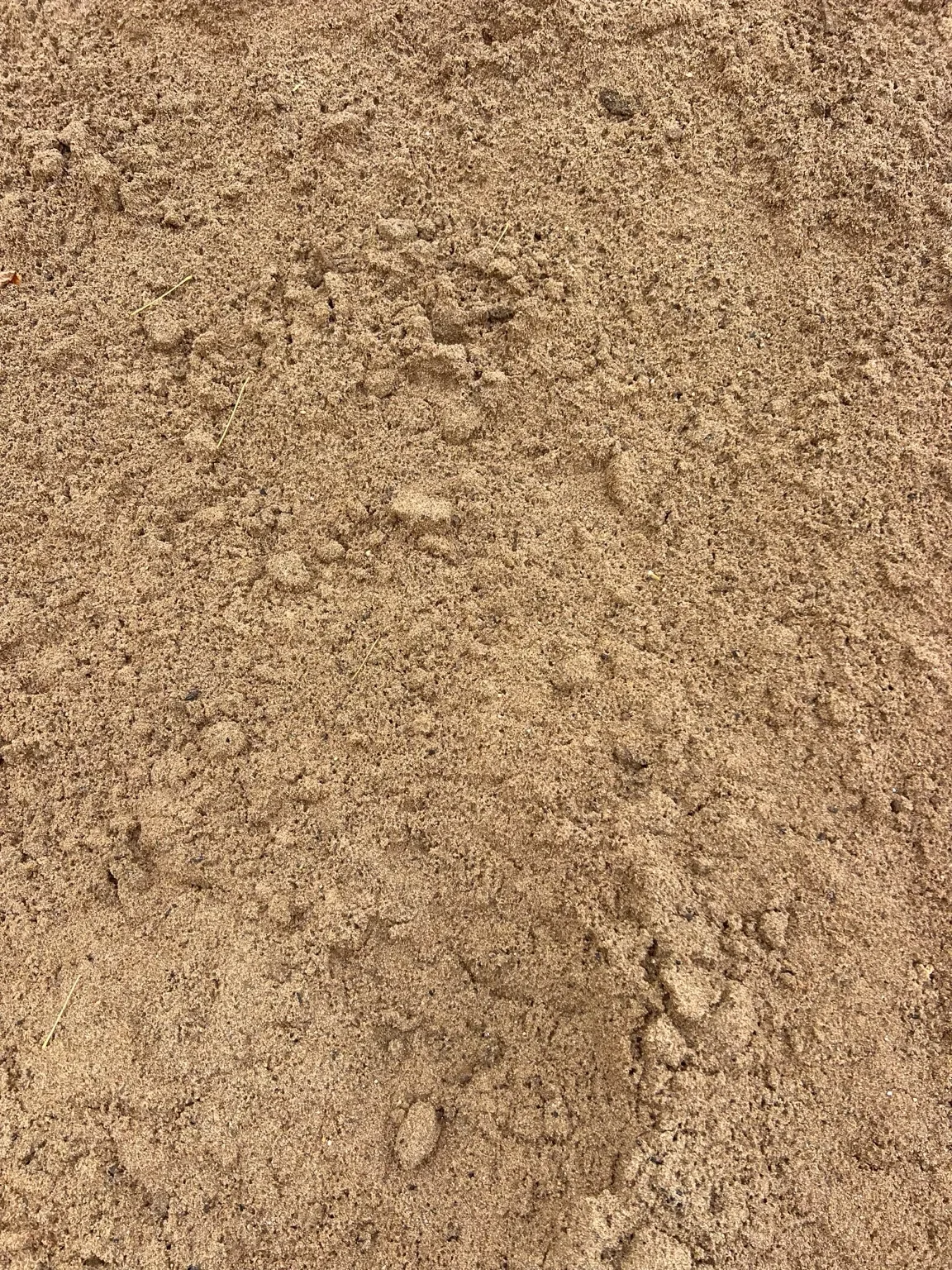
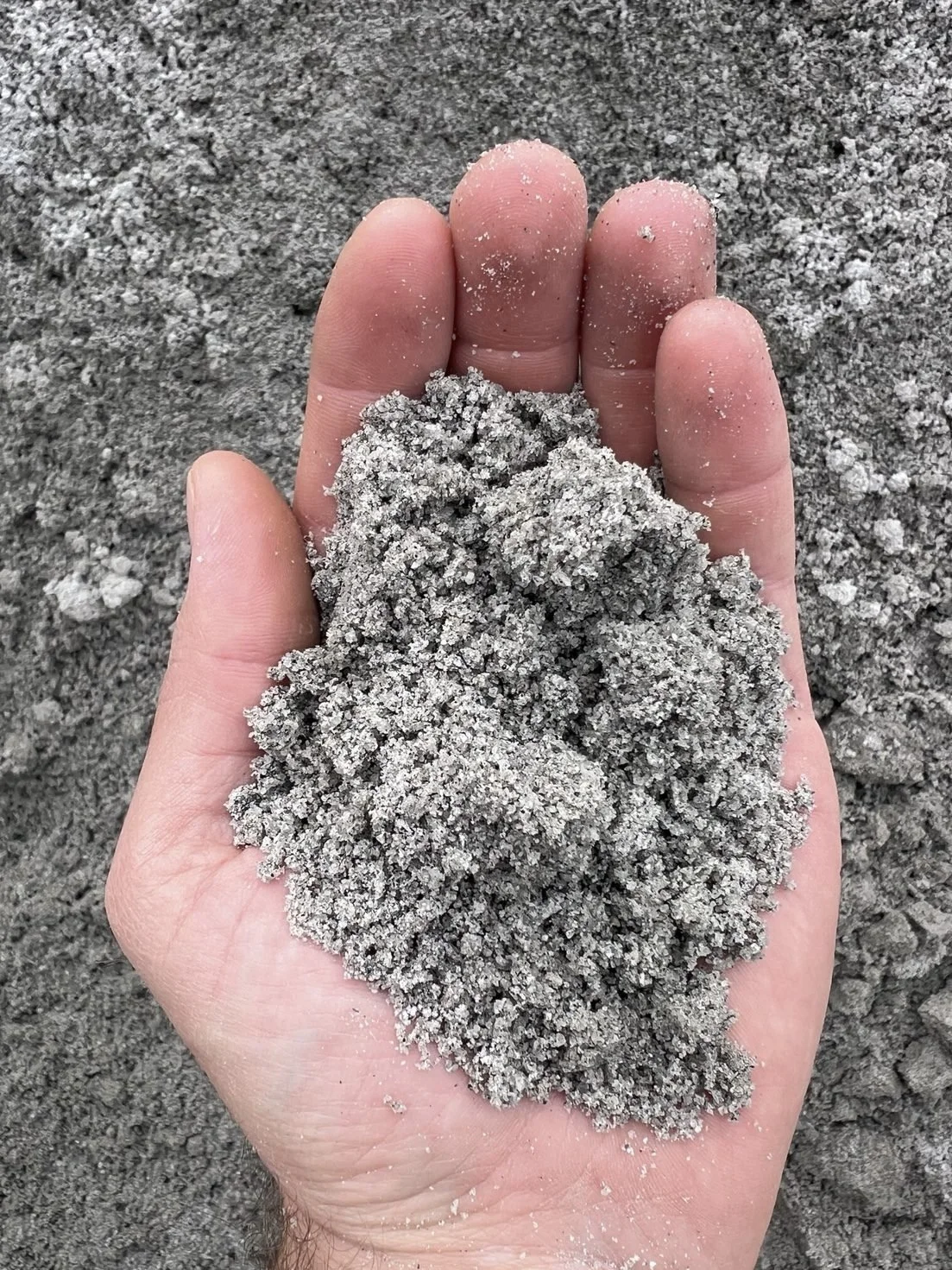
Manufactured Sand, commonly called M-Sand, is a sand-sized aggregate produced by crushing and processing granite rock.
Unlike naturally occurring river sand, Manufactured Sand is made from quarried stone. The crushing process produces particles that are generally more angular than the rounded or partially rounded particles commonly found in natural sand deposits.
The exact gradation, particle-size distribution, and fines content may vary depending on the source material, crushing equipment, screening process, and production specifications.
Manufactured Sand is commonly used as a fine aggregate in concrete and asphalt production. It may also be used for utility bedding, paver base and leveling applications, backfill, gypsum floor underlayment where approved by project specifications, and other construction projects.
Because Manufactured Sand is produced from crushed granite, it generally contains less organic material than many naturally occurring sand products. However, this does not mean every load will meet every engineered mix design or construction specification.
Customers using the material for concrete mixes, asphalt production, gypsum underlayment, utility installations, or other specification-sensitive work should verify that the material meets the applicable project requirements before purchasing. Samples are available upon request for testing or evaluation.
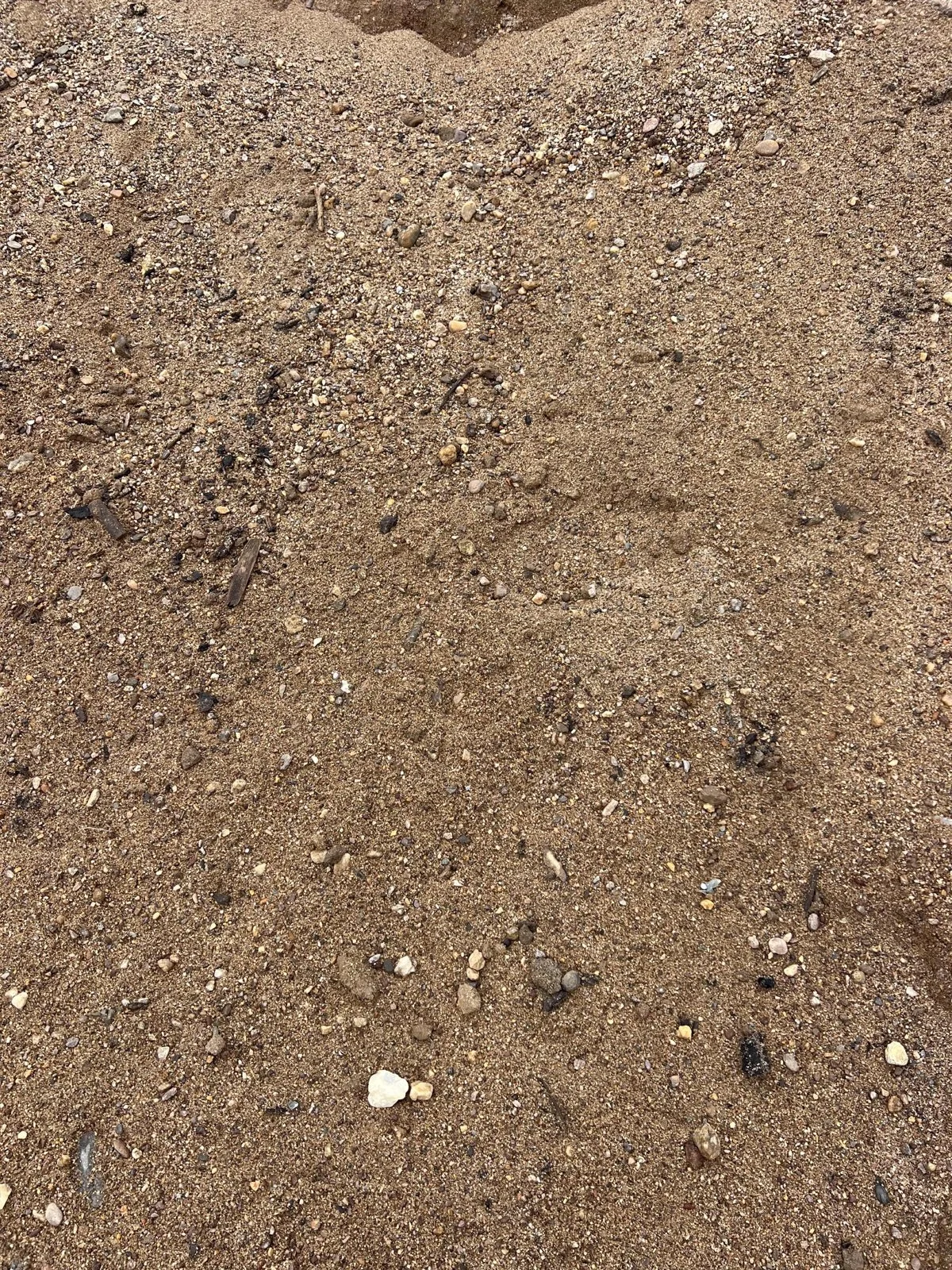
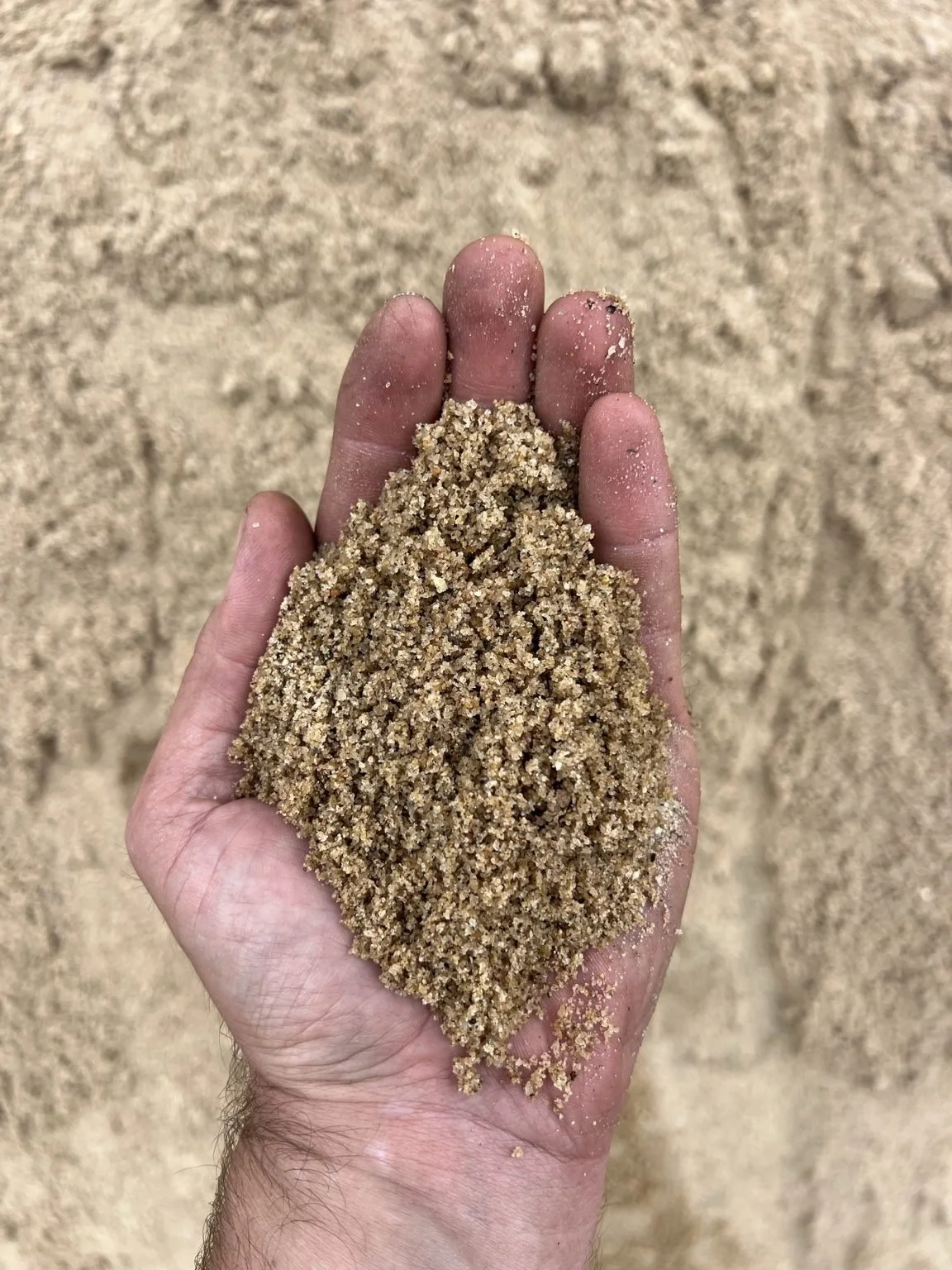
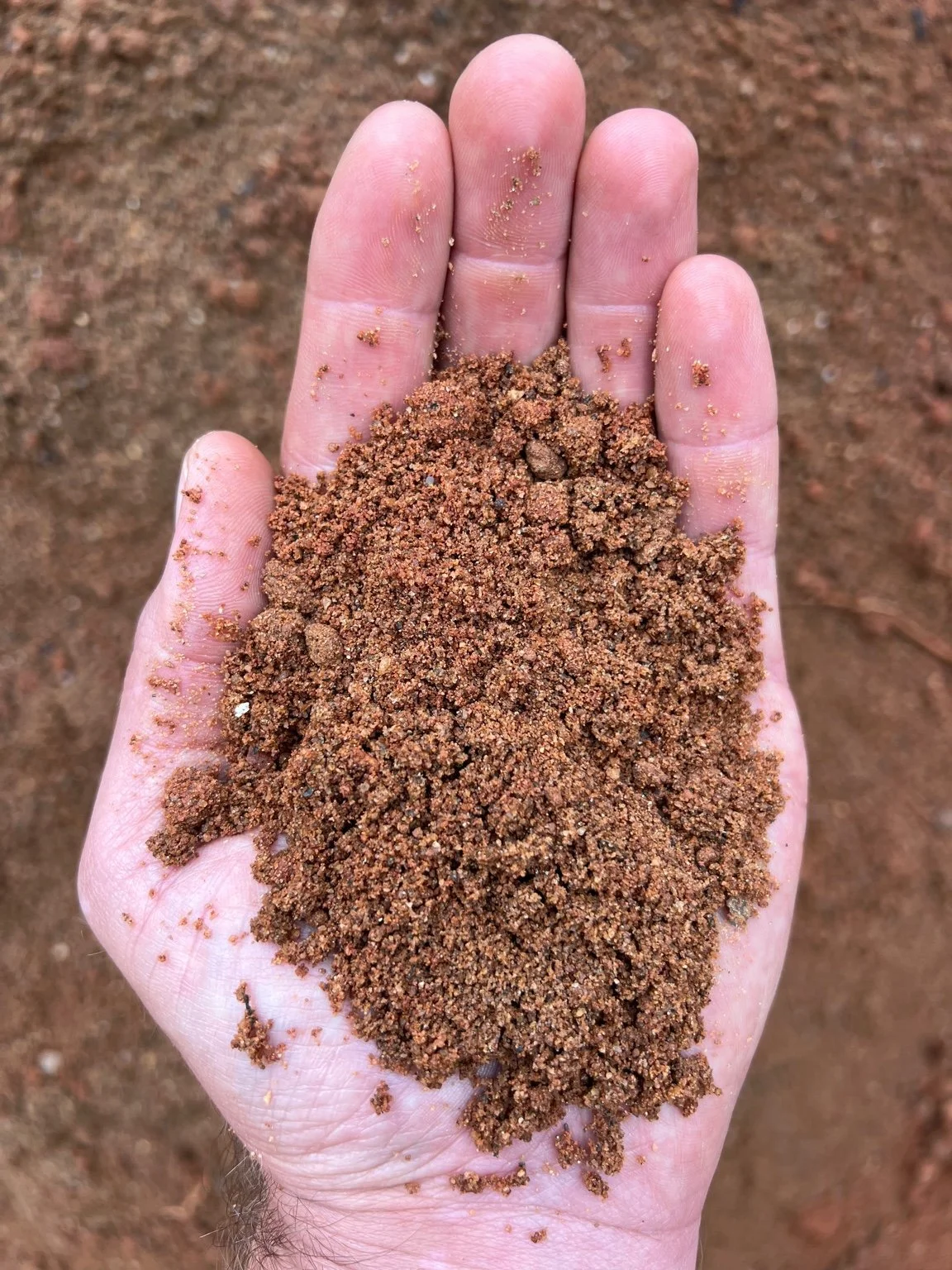
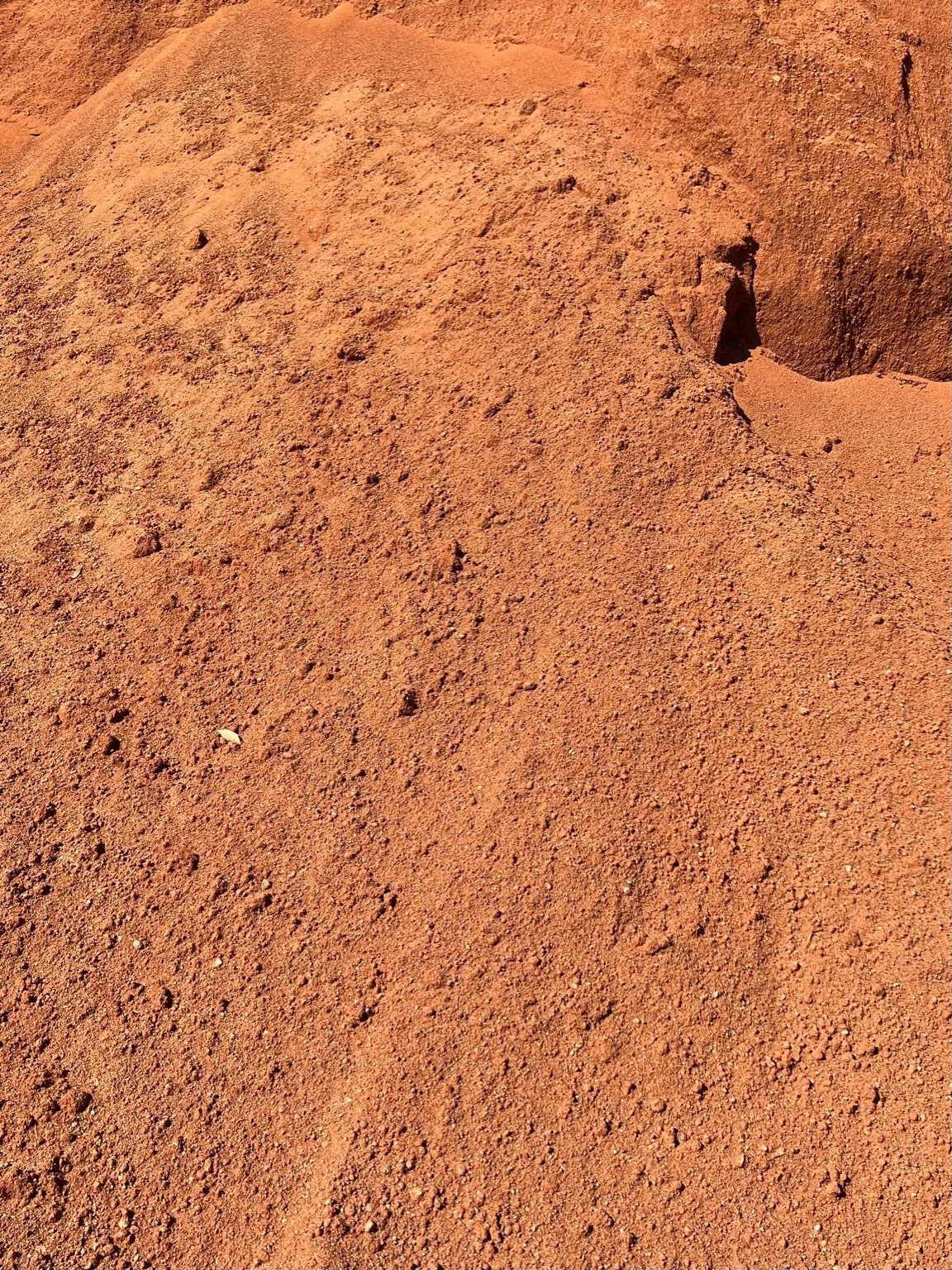
As with other aggregate products, color, moisture content, gradation, particle-size distribution, fines content, and appearance may vary between loads, suppliers, production runs, and source locations.
Palmetto Sand and Gravel delivers Manufactured Sand throughout Spartanburg, Greenville, Cherokee, Laurens, and Union Counties in Upstate South Carolina.
Common Uses in Upstate South Carolina
Concrete Production
Manufactured Sand is commonly used as a fine aggregate component in concrete mixes where it is permitted by the mix design and meets the applicable project requirements.
Concrete performance depends on the complete mix design, including aggregate gradation, cement content, water content, admixtures, and other materials. Customers should follow the mix designer’s or qualified concrete professional’s specifications.
Asphalt Production
Manufactured Sand is commonly used as a fine aggregate component in asphalt manufacturing when it meets the required gradation and mix-design specifications.
Utility Bedding
May be used around certain utility lines and underground installations where a sand-sized crushed aggregate is appropriate.
Bedding requirements vary by utility type, pipe manufacturer, local code, project plans, and installation specifications. Customers should verify the required material before ordering.
Paver Base and Leveling Applications
Manufactured Sand may be used in certain base, bedding, or leveling applications for pavers, patios, and walkways where project requirements allow.
The appropriate base system depends on soil conditions, drainage, expected loads, paver-manufacturer instructions, and installation specifications.
Leveling Applications
May be used where a sand-sized aggregate is needed for grading, leveling, or adjusting surface elevation.
Its angular particles and fines content may allow it to settle or compact differently from natural sand.
Gypsum Floor Underlayment
Manufactured Sand may be used in some gypsum floor-underlayment systems when approved by the underlayment manufacturer, installer, mix design, and project specifications.
Customers should request a sample and verify material suitability before ordering for this application.
Backfill and General Construction
May be used in certain backfill, site-preparation, construction, and general aggregate applications where a manufactured fine aggregate is appropriate.
Suitability depends on the project’s drainage, compaction, structural, and material specifications.
Coverage & Yield
Calculator Assumption: Approximately 20 cubic feet per ton
Approximate Coverage: About 120 square feet per ton at 2 inches deep
Approximate Coverage: About 80 square feet per ton at 3 inches deep
Approximate Coverage: About 60 square feet per ton at 4 inches deep
Note: Coverage estimates are provided for planning purposes. Actual yield and coverage may vary based on moisture content, gradation, fines content, placement depth, spreading method, settling, compaction, and site conditions.
FAQ
What is Manufactured Sand?
Manufactured Sand, commonly abbreviated as M-Sand, is a sand-sized aggregate produced by crushing, screening, and processing granite rock.
Why is it called M-Sand?
M-Sand is an abbreviation for Manufactured Sand. It is manufactured from crushed rock rather than collected from a naturally occurring river or sand deposit.
What is Manufactured Sand commonly used for?
Common applications include concrete and asphalt production, utility bedding, paver base and leveling applications, certain gypsum floor-underlayment systems, backfill, and general construction projects.
The material must meet the applicable specifications when used in engineered or performance-sensitive applications.
Is Manufactured Sand the same as River Sand?
No. Manufactured Sand is produced from crushed granite, while River Sand is naturally occurring material collected or processed from river deposits.
Manufactured Sand generally contains more angular particles, while natural river sands often contain particles that are more rounded or partially rounded.
Is Manufactured Sand the same as Masonry Sand?
No. Manufactured Sand is produced from crushed granite. Masonry Sand is generally a finer, washed natural sand commonly used in mortar, masonry, and certain leveling applications.
The materials have different particle shapes, textures, gradations, and common uses.
Is Manufactured Sand the same as Granite Screenings?
Not necessarily. Manufactured Sand and Granite Screenings are both produced from crushed granite and may appear similar, but their intended gradation, particle-size distribution, fines content, and production methods can differ.
Customers should compare samples or product specifications when a specific gradation is required.
Can Manufactured Sand be used for concrete?
Manufactured Sand is commonly used as a fine aggregate in concrete where it meets the applicable mix design and project specifications.
Customers should not assume that every Manufactured Sand product is suitable for every concrete mix. The concrete producer, mix designer, engineer, or other qualified professional should verify suitability.
Can Manufactured Sand be used for asphalt?
Yes, Manufactured Sand is commonly used as a fine aggregate component in asphalt production when its gradation and other characteristics meet the asphalt mix-design requirements.
Can Manufactured Sand be used for utility bedding?
It may be used for certain utility-bedding applications where a sand-sized crushed aggregate is permitted.
Customers should follow utility-owner requirements, pipe-manufacturer instructions, applicable codes, and project specifications before selecting bedding material.
Can Manufactured Sand be used under pavers?
It may be used in certain paver base, bedding, or leveling applications where the installation design and manufacturer’s instructions allow it.
The proper material and installation method depend on the paver system, underlying soil, expected loads, drainage, and project requirements.
Can Manufactured Sand be used for gypsum floor underlayment?
It may be used in some gypsum floor-underlayment systems where permitted by the underlayment manufacturer, installer, mix design, and project specifications.
Customers should request a sample and verify suitability before purchasing material for this application.
Can I request a sample before ordering?
Yes. Samples are available upon request for customers who need to inspect, test, or evaluate the material for project-specific requirements.
A sample can help with evaluation, but the customer or appropriate qualified professional remains responsible for determining whether the material meets the applicable specifications.
What color is Manufactured Sand?
Manufactured Sand is typically gray to light gray. Color may vary based on the granite source, moisture content, production run, and natural aggregate variation.
How much area does one ton cover?
One ton provides approximate coverage of about 120 square feet at 2 inches deep, 80 square feet at 3 inches deep, or 60 square feet at 4 inches deep.
Actual coverage varies based on moisture content, gradation, placement depth, spreading, settling, compaction, and site conditions.
Does Manufactured Sand compact?
Manufactured Sand can settle and compact because of its angular particles and fines content.
The degree of compaction depends on gradation, moisture, lift thickness, placement method, compaction equipment, and site conditions.
Is Manufactured Sand good for drainage?
Manufactured Sand may allow some water movement depending on its gradation, fines content, and level of compaction. However, it is not generally selected when rapid drainage is the primary objective.
Washed aggregate such as #57 Stone is commonly used for drainage applications, subject to the project’s design and specifications.
Can Manufactured Sand be tailgate spread?
Tailgate spreading may be available when site and material conditions allow. The driver makes the final determination at delivery.
Tailgate spreading helps distribute the material during unloading, but it does not guarantee a graded, level, compacted, or finished surface. The material may be uneven in some areas, and additional grading, raking, compaction, or equipment work may be required.
What is the minimum order quantity?
Manufactured Sand is currently available in 15–20 ton delivery quantities.
Exact load weight may vary based on moisture content, truck capacity, legal weight limits, loading conditions, and material availability.
How is Manufactured Sand delivered?
Manufactured Sand is sold by the ton and delivered by tri-axle dump truck.
Where does Palmetto Sand and Gravel deliver Manufactured Sand?
Palmetto Sand and Gravel delivers Manufactured Sand throughout Spartanburg, Greenville, Cherokee, Laurens, and Union Counties in Upstate South Carolina.
Disclaimer
Manufactured Sand is a processed aggregate product made from crushed granite. Its color is typically gray to light gray, but color, gradation, particle-size distribution, fines content, texture, moisture content, and appearance may vary between loads, suppliers, production runs, and source locations.
Coverage and yield estimates are approximate and may vary based on moisture content, gradation, placement depth, spreading method, settling, compaction, and site conditions. Product appearance may differ from photographs shown online.
Manufactured Sand is used in a range of construction applications, but suitability depends on the intended use, material specifications, mix design, site conditions, applicable codes, and project requirements.
Customers using Manufactured Sand for concrete, asphalt, utility bedding, gypsum floor underlayment, engineered fill, or other specification-sensitive applications should request a sample and verify that the material meets the applicable plans, mix designs, manufacturer instructions, and project specifications before purchasing.
Palmetto Sand and Gravel does not design concrete or asphalt mixes, specify utility bedding systems, engineer structural fill, or approve gypsum floor-underlayment materials.
Tailgate spreading, when available, is intended only to assist with material placement. It does not guarantee a graded, level, compacted, or finished surface. Additional grading, raking, compaction, or equipment work may be required.