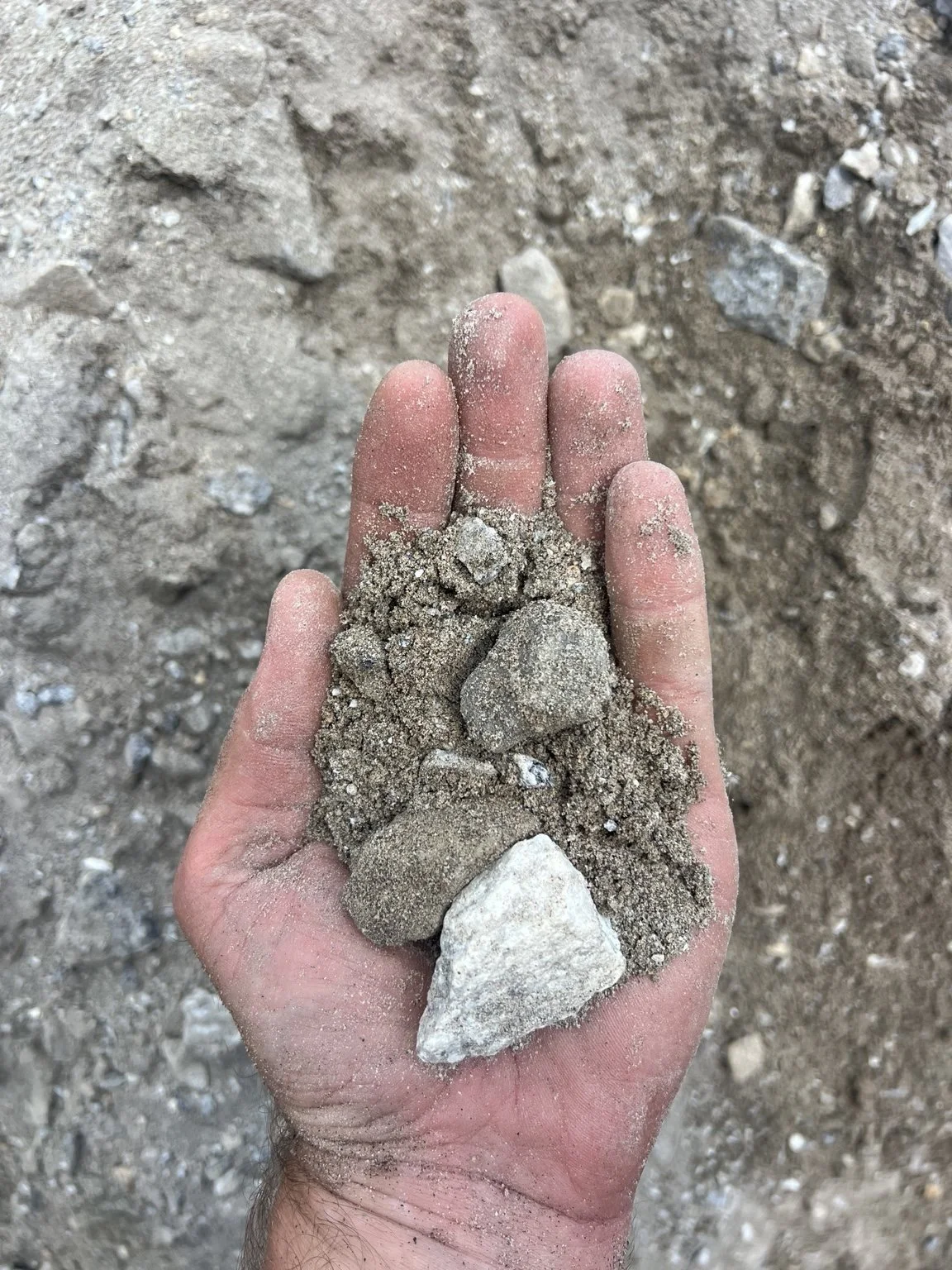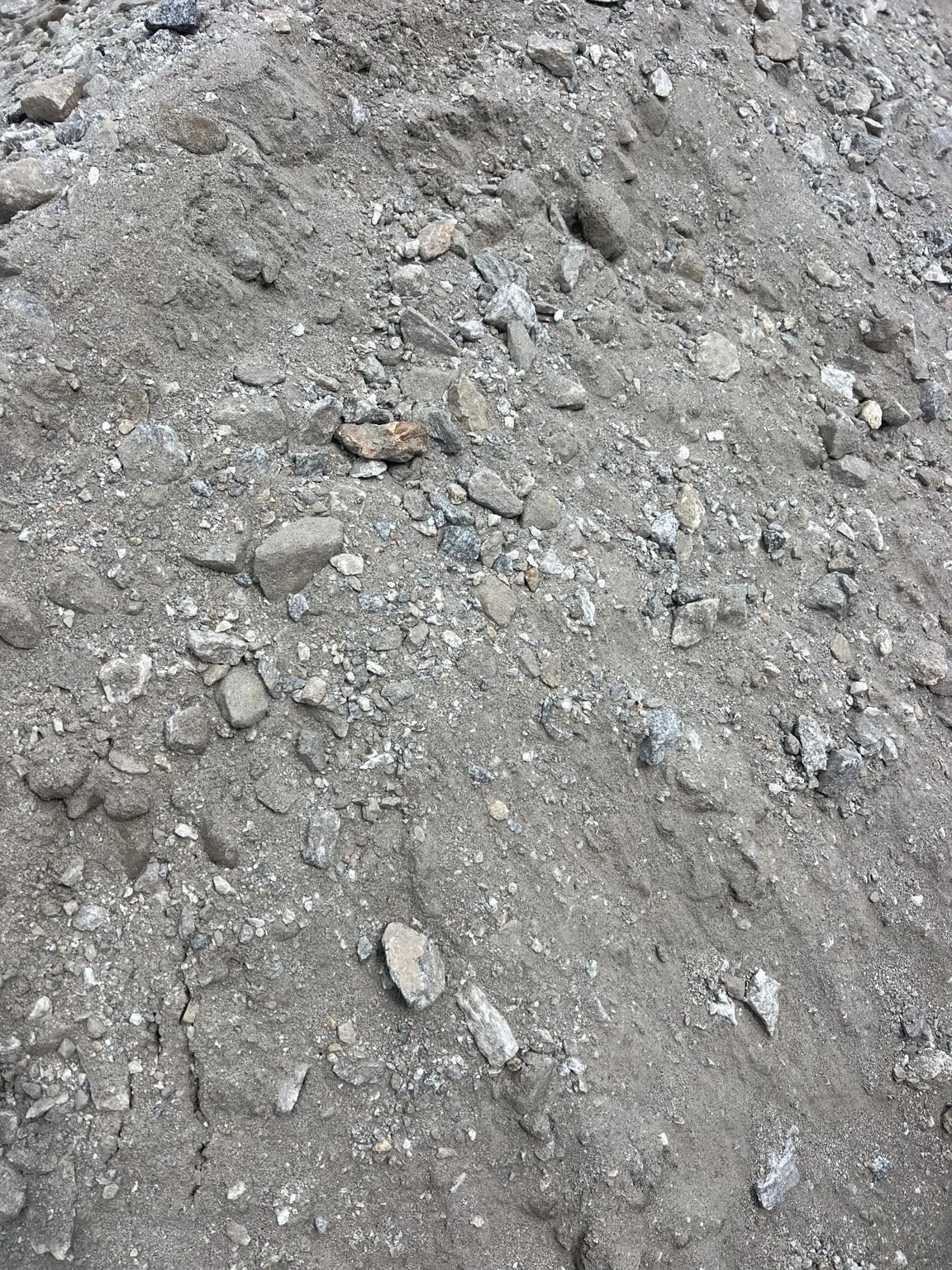
 Image 1 of 2
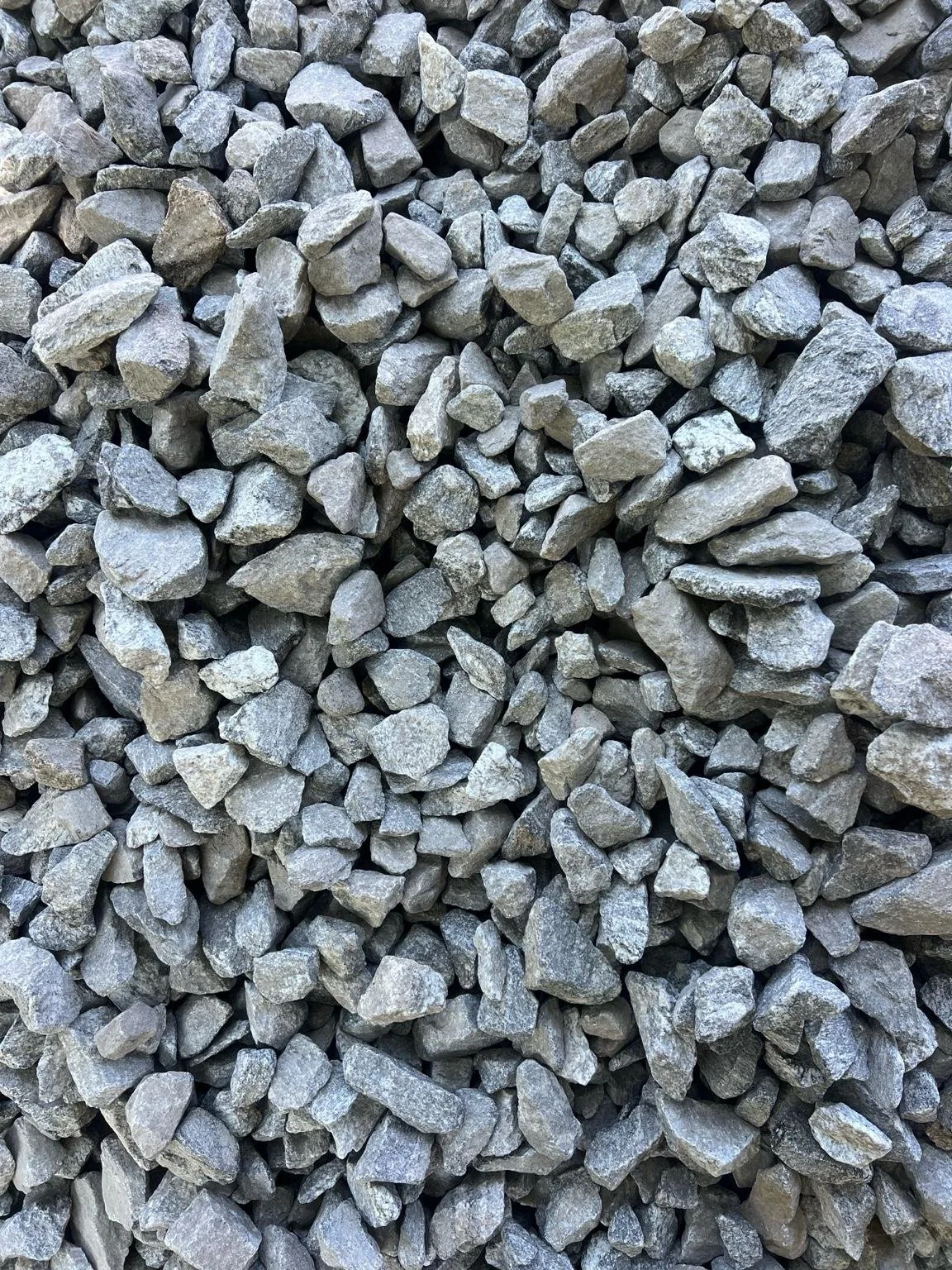 Image 2 of 2
JUMP TO:
About | Common Uses | Coverage & Yield | FAQ | Disclaimer
How Much Surge Stone (2–4″) Do I Need?
Calculator assumes Surge Stone covers approximately 17.5 cubic feet per ton. For 2–4 inch stone, a 6-inch layer is a practical starting point for most coverage estimates. Coverage may vary based on stone gradation, placement method, void space, surface conditions, and material characteristics.
Depth under 6″ was adjusted to 6″ because 2–4″ stone needs a minimum practical layer.
Sales tax varies by county and is added at checkout.
Truck delivery count is an estimate based on approximately 20 tons per delivery. Final load count may vary based on material type, truck capacity, legal weight limits, loading conditions, and scheduling.
About Surge Stone (2”–4”)
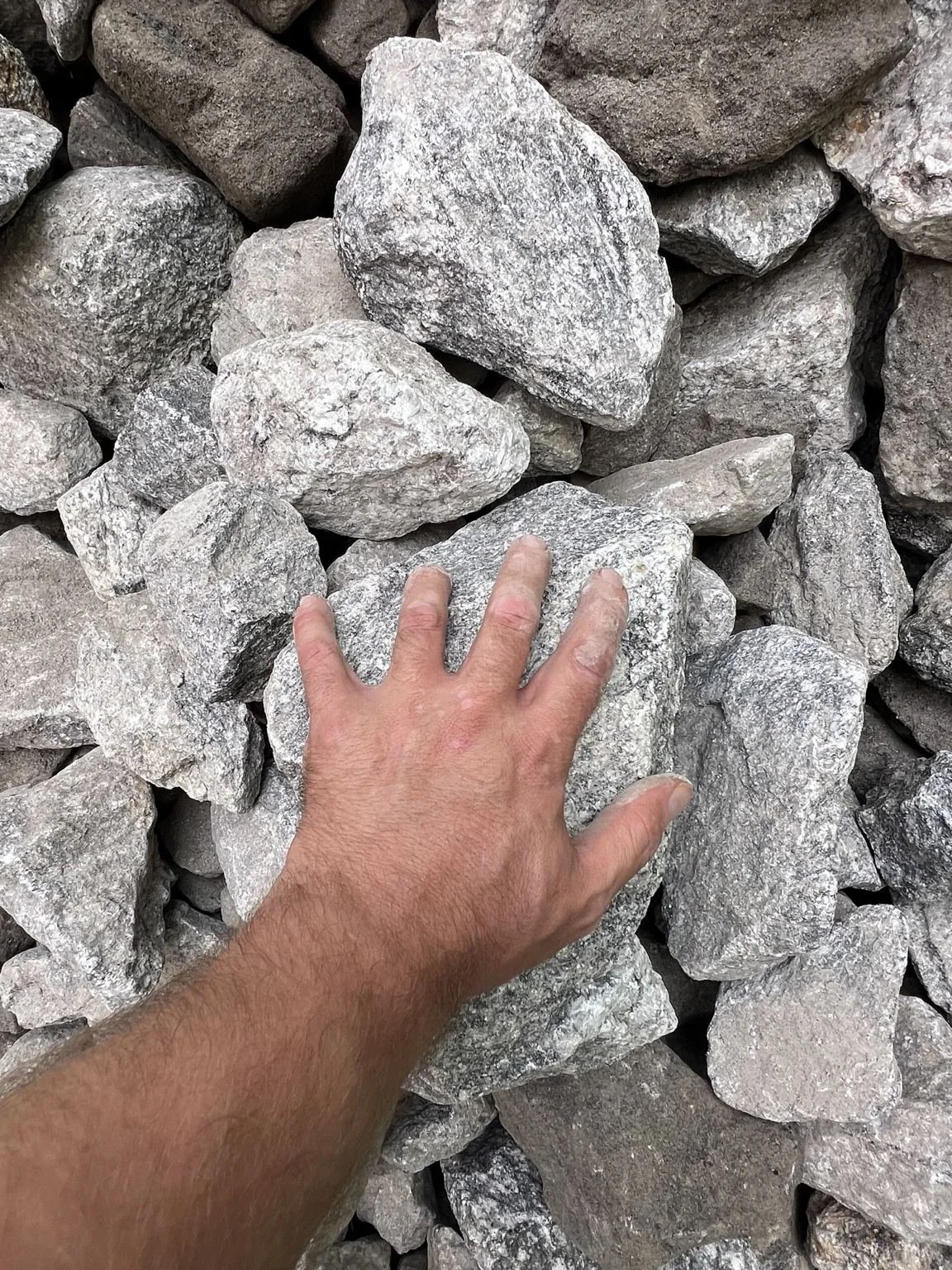
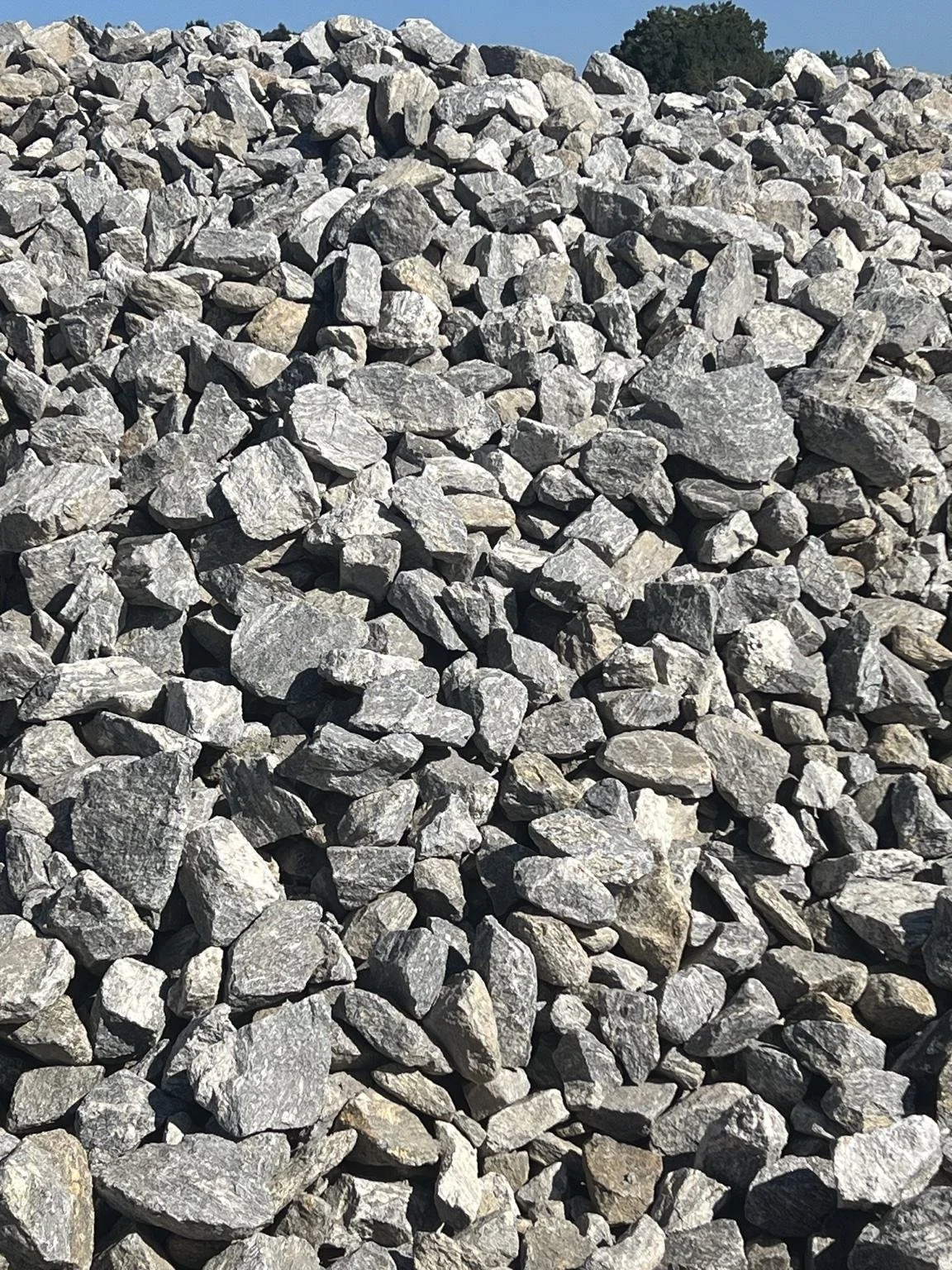
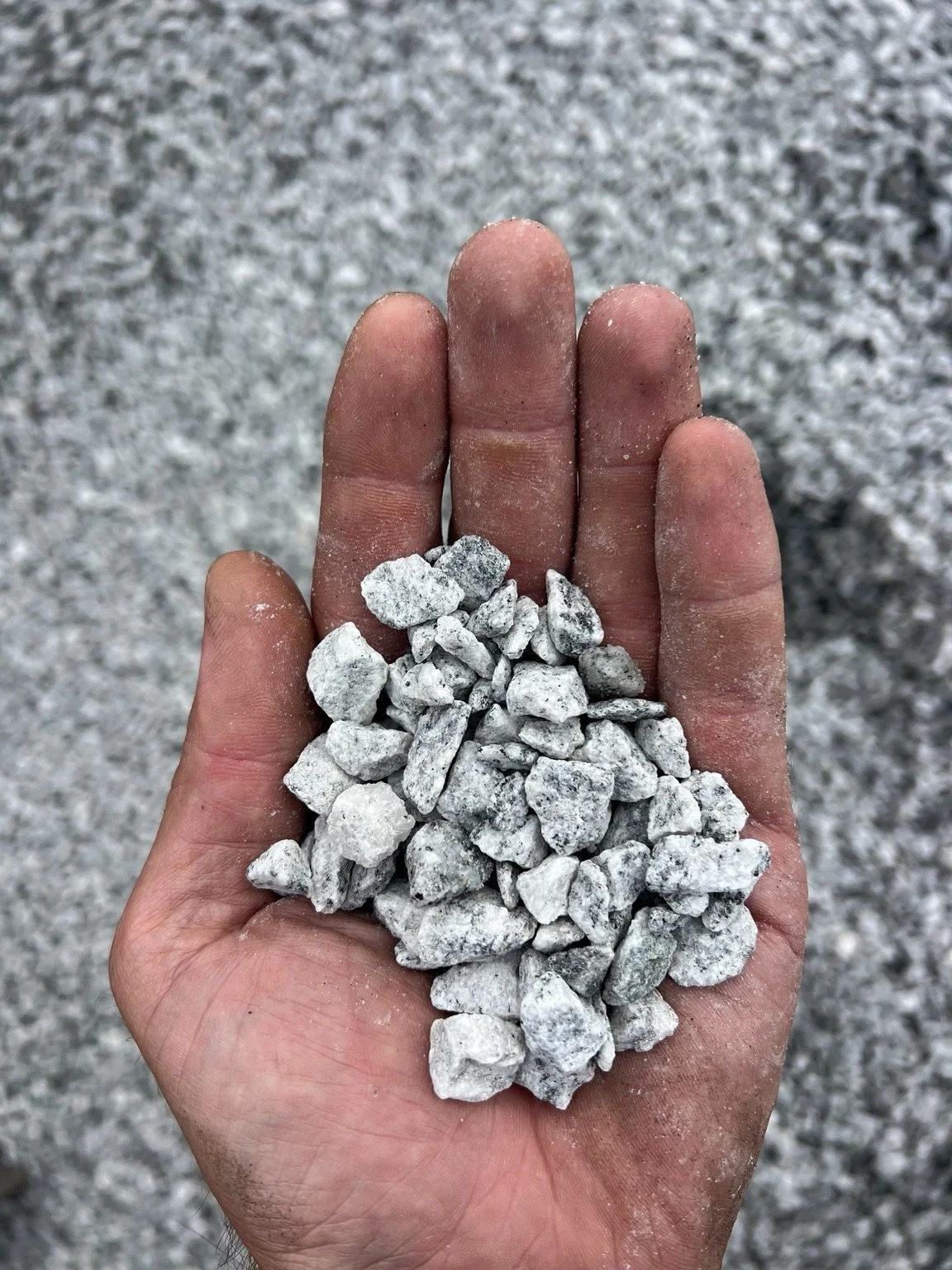
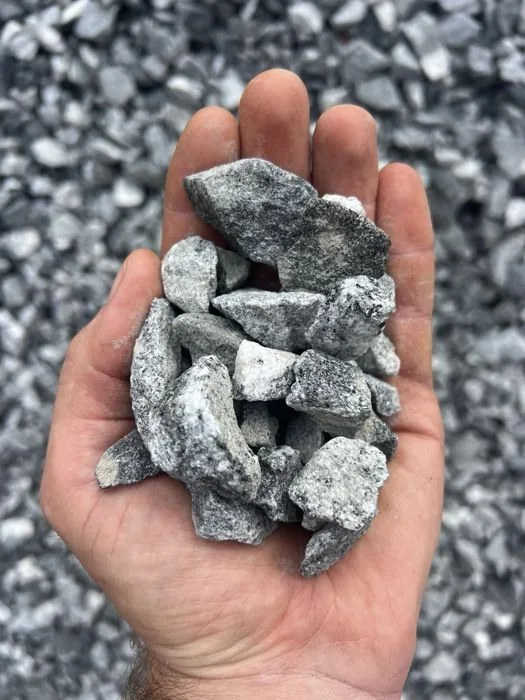
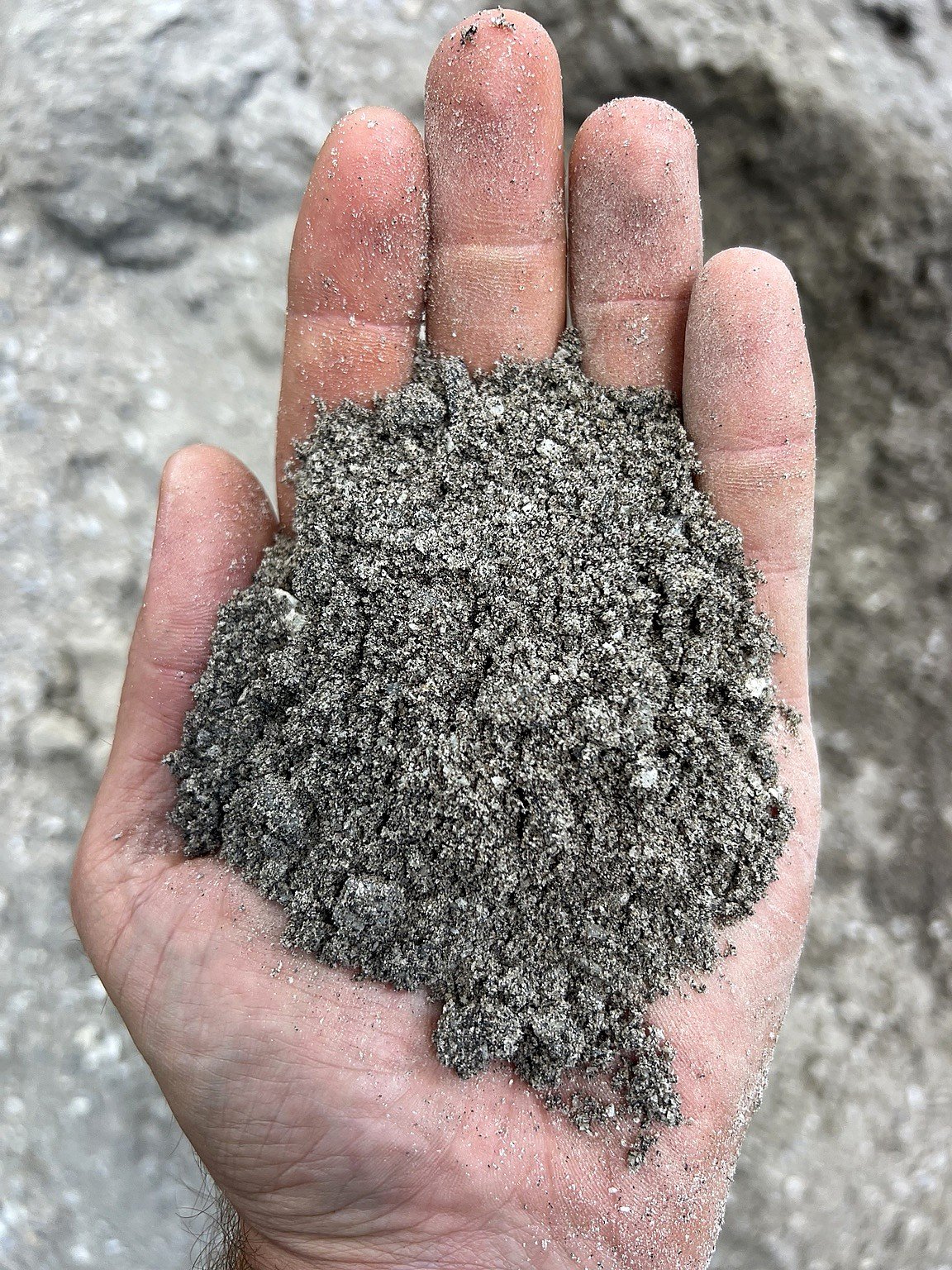
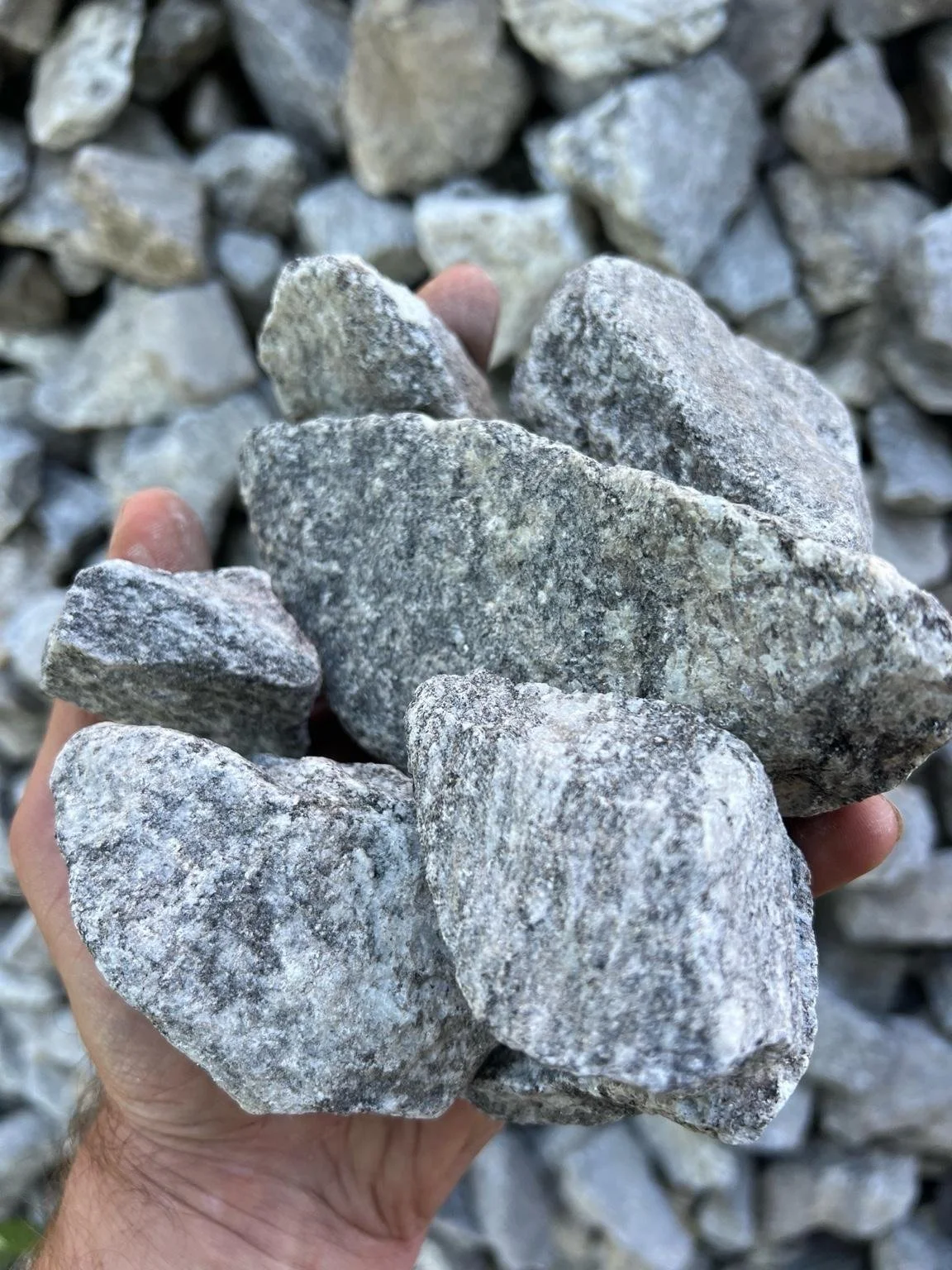
Surge Stone is a coarse crushed granite aggregate consisting primarily of stones ranging from approximately 2 inches to 4 inches in size. Due to quarry processing and natural variation, individual pieces may be smaller or larger than the stated size range.
Because Surge Stone contains little to no fine material, it generally remains a free-draining aggregate rather than compacting into a dense surface. The large stone size creates open spaces between particles that allow water to move through the material.
Surge Stone is commonly used where large stone is needed for access, drainage, erosion control, stabilization, and material separation applications.
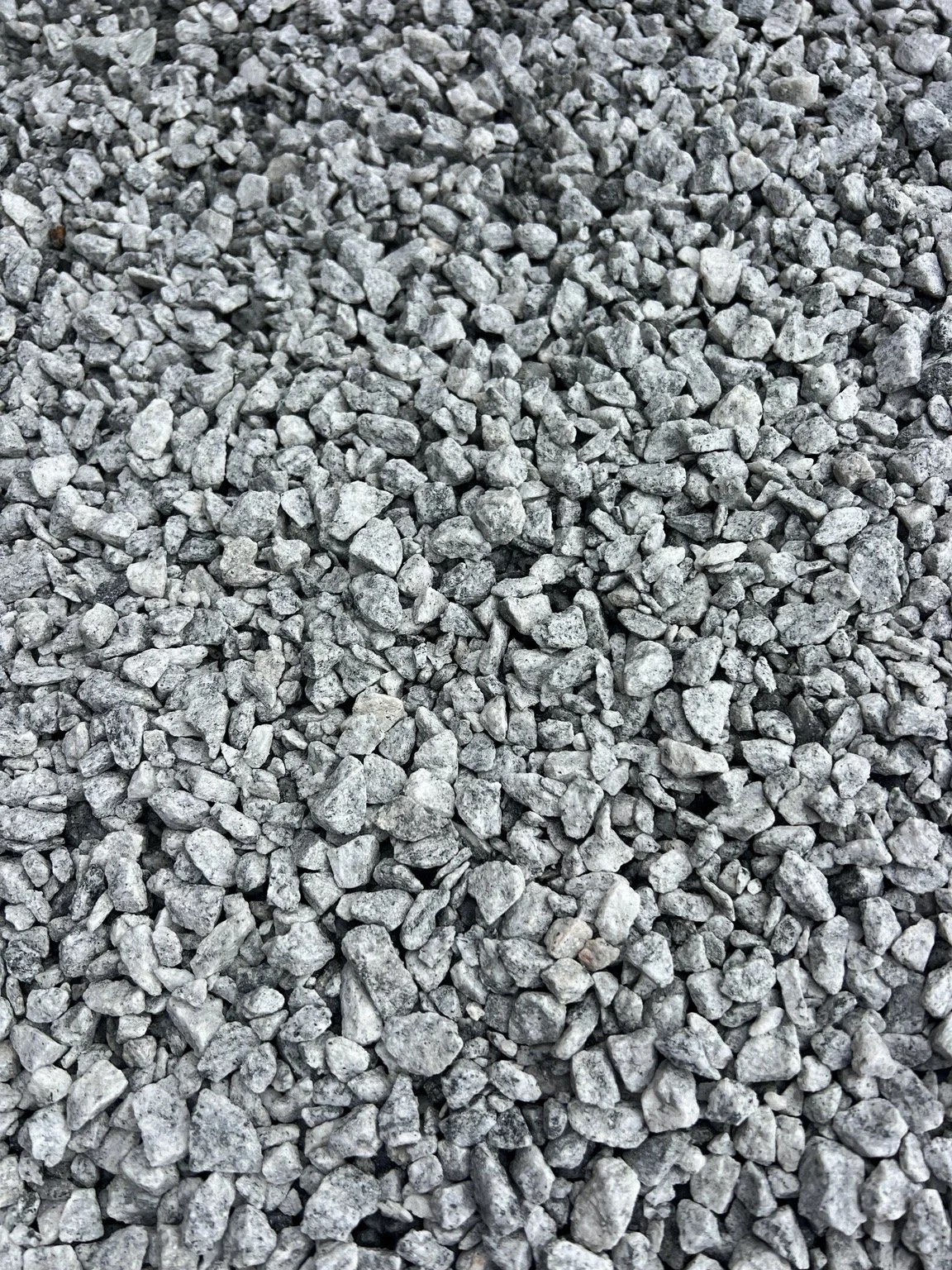
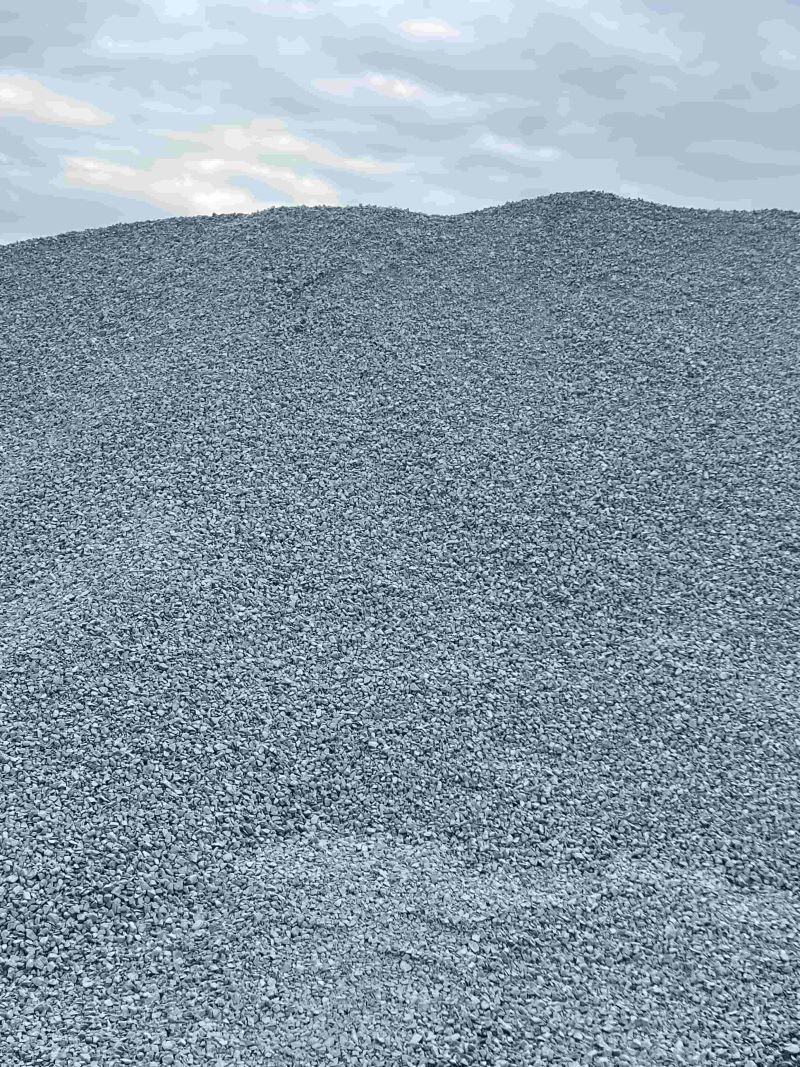
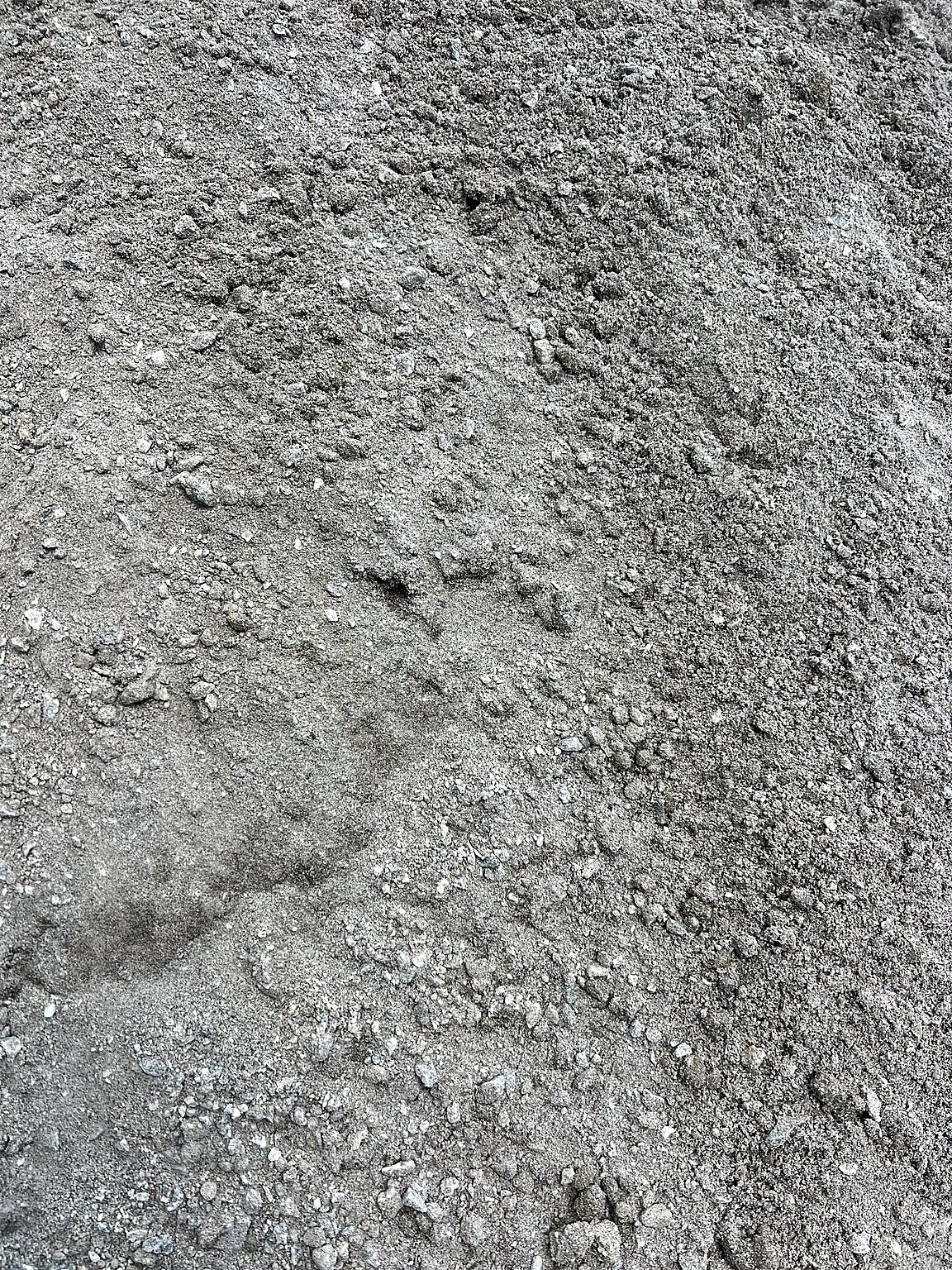
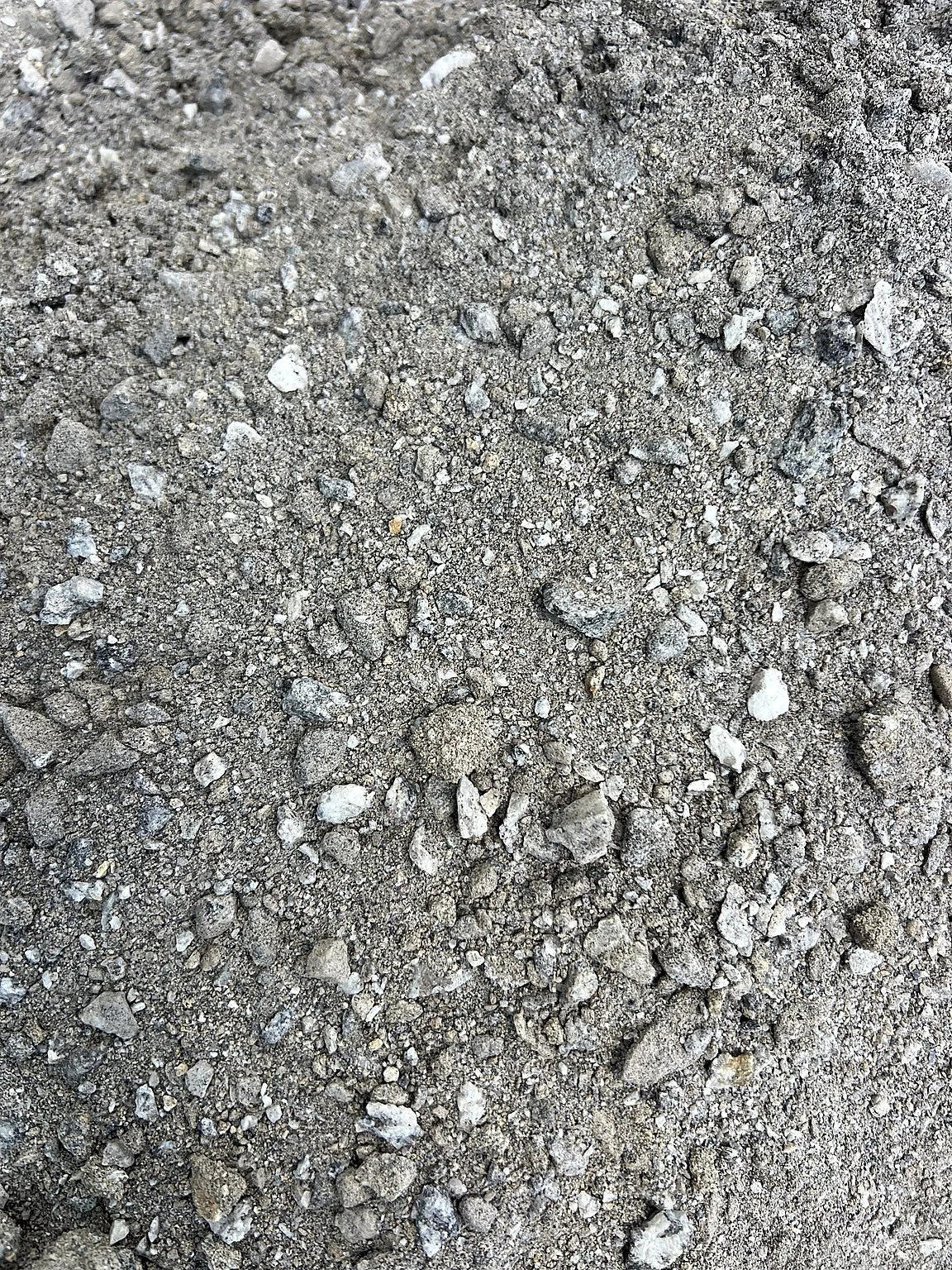
Stone size, shape, and color can vary depending on the quarry source and natural characteristics of the material.
Common Uses in Upstate South Carolina
Construction Entrances
Commonly placed at temporary construction site entrances to help create a stable access point for vehicles and equipment.
Equipment Access Areas
Frequently used where large vehicles, tractors, loaders, or other equipment require access across soft or uneven ground.
Temporary Work Pads
Used to create a working surface for equipment, material storage, or temporary project access.
Erosion Control Projects
Commonly placed in areas where larger stone is needed to help reduce soil movement caused by flowing water.
Drainage Channels & Swales
Used in open drainage areas where water needs to move through and around the stone.
Culvert & Drainage Outlet Areas
Frequently placed around culvert outlets, drainage discharge points, and similar areas where water flow may occur.
Stabilization of Soft Areas
Commonly used where larger stone is needed to improve access through wet, muddy, or unstable ground conditions.
Base Layer Beneath Larger Stone Systems
May be used as part of a layered stone installation where additional stabilization is desired.
General Landscaping Applications
Sometimes used in large decorative or naturalized landscape areas where larger stone is preferred.
Coverage & Yield
• Calculator Assumption: Approximately 17.5 cubic feet per ton.
• Approximate Coverage: About 35 square feet per ton at 6 inches deep.
• Approximate Coverage: About 25 square feet per ton at 8 inches deep.
• Note: Coverage estimates are approximate and may vary based on stone gradation, placement method, void space, surface conditions, and material characteristics.
FAQ
What is Surge Stone?
Surge Stone is a large crushed granite aggregate consisting primarily of stones ranging from approximately 2” to 4” in size.
What is Surge Stone commonly used for?
Common uses include construction entrances, drainage applications, erosion control, equipment access areas, temporary work pads, stabilization projects, and landscaping applications.
Does Surge Stone compact?
Surge Stone contains little to no fine material and does not compact into a dense surface like Crusher Run. Open spaces between stones are normal, and the material generally remains free-draining after placement.
How much area does one ton cover?
One ton of Surge Stone covers approximately 35 square feet at 6 inches deep or 25 square feet at 8 inches deep. Coverage is approximate and may vary based on stone gradation, placement method, void space, surface conditions, and material characteristics.
Is Surge Stone the same as Crusher Run?
No. Crusher Run contains a mixture of stone and fines designed to compact, while Surge Stone consists primarily of larger stone with minimal fines.
Is Surge Stone the same as Rip Rap?
No. Surge Stone is generally smaller than Rip Rap. Rip Rap typically consists of larger stones used for erosion-control applications.
Can Surge Stone be used for drainage?
Yes. Because of the open spaces between stones, Surge Stone is commonly used in drainage applications.
Can Surge Stone be used in a French drain?
Surge Stone is generally larger than the aggregate typically used in most residential French drain systems. Many French drains use smaller clean stone such as #57 Stone, depending on the project requirements.
Is Surge Stone available in recycled material?
Yes. Recycled Surge Stone may be available and is typically produced from processed concrete and other recycled aggregate materials.
Can Surge Stone be tailgate spread?
Tailgate spreading may be available when site conditions allow. Final determination is made by the driver at delivery. Tailgate spreading helps distribute material during unloading, but it does not guarantee a finished, graded, or level surface. Additional machine work, grading, or hand placement may be required.
How much Surge Stone fits in a tri-axle dump truck?
A typical tri-axle load is approximately 20–22 tons, depending on material weight and applicable road-weight restrictions.
Where do you deliver Surge Stone?
Palmetto Sand & Gravel delivers throughout Spartanburg, Greenville, Cherokee, Laurens, and Union Counties in Upstate South Carolina.
Disclaimer
Surge Stone is a natural aggregate product. Color, texture, moisture content, particle shape, and particle size may vary between loads and source locations. Aggregate size may vary within normal industry tolerances, and individual stones may occasionally be smaller or larger than the typical 2–4 inch size range. Because this material contains little to no fine material, open spaces between stones are normal. Coverage estimates are approximate and may vary based on placement depth, stone gradation, void space, surface conditions, placement method, and material characteristics. Quantities are approximate and subject to normal industry tolerances. Product appearance may differ from photographs shown online. Tailgate spreading, when available, is intended to assist with material placement only and does not guarantee a finished, graded, or level surface.